Posts in Category: Lone Tree Veterinary Medical Center News
Ins and Outs of a Sedated Grooming
Most pets that our groomers see don’t mind being professionally groomed and sail right through their bath, brushing, and haircut with flying colors. Some pets aren’t so willing, however, and the process of being bathed, brushed, or even touched by a groomer can trigger aggressive behavior that could harm the pet or the groomer, making the grooming impossible to attempt safely.
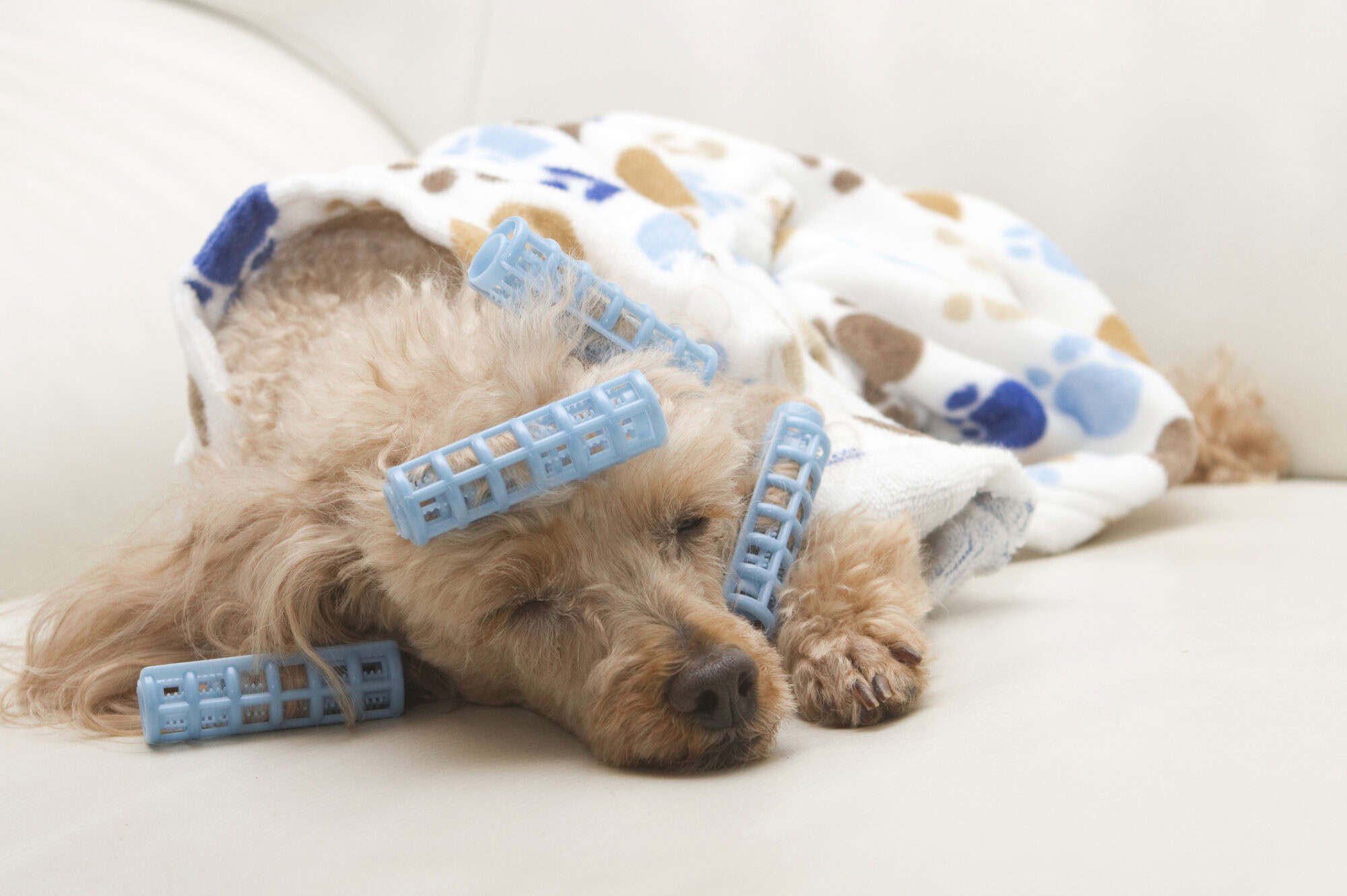
While aggressive, reactive behaviors are usually due to fear, anxiety, or both, and are certainly understandable, they present a problem when a pet needs a grooming service that cannot be done at home by the owner. In these situations, because we are a medical facility, we are able to assist the groomer by fully sedating the pet so the grooming service can be done safely.
What Does a Sedated Groom Involve?
Fully sedating a pet for a grooming service is a medical procedure performed in our medical department under the direct supervision of our veterinarian and surgery technicians. It involves the same anesthetic protocols we use for sedating a pet for a spay or neuter, a mass removal, or another surgical procedure. The pet will be fully unconscious and monitored by the medical team while being groomed by the groomer. Once the groomer is finished, the pet will be monitored while the effects of the sedation wear off, and the owner will be contacted when the pet is ready to go home.
What Grooming Is Included?
A fully sedated, unconscious pet cannot be safely bathed or fully brushed because it will be lying on its side, so the groom will not include a bath, a full brush-out, or a breed-specific haircut. What can be done is a complete shave-down, a nail trim, and an ear cleaning. For certain dog breeds, a haircut or clipping won’t be as perfect as it would be if the pet were standing. We recommend discussing your pet’s specific needs with our groomer for more details on what can be provided during a sedated groom.
Planning Is Key
The first step in planning for a sedated groom is for the pet to be evaluated by our veterinarian to determine the extent of the anxiety issue, whether sedation will be needed, and the appropriate sedation protocol based on the pet’s current health status. The sedation consultation will be scheduled as a regular exam appointment and costs the same as a regular exam. The consultation is important because full sedation is a medical procedure, and the veterinarian must determine that it is safe for the pet to be given an anesthetic. At the end of the consultation, a written estimate for the cost of the sedation procedure and grooming will be provided for your approval. Blood work may be required in some circumstances.
Scheduling the Grooming
Once you approve the sedated groom estimate, the grooming appointment can be scheduled in coordination with the medical department. Our receptionist will assist you in selecting the nearest available date on both the grooming and surgery schedules.
Preparing Your Pet
Your pet will need to be fasted overnight before its sedated groom and until the time of its procedure. This means no food or treats after 8:00 p.m. the night before; only water is allowed. In the morning, do not feed your pet. Allow only water. Fasting is required for your pet to undergo sedation.
On the Grooming Day
When you arrive for check-in, our technician will review your pet’s sedation procedure and the estimate with you, and you will be asked to read and sign both the estimate and an anesthesia consent form. Once this has been done, your pet will be brought into the medical department, where it will stay until the sedated groom is completed and your pet is fully recovered. We will call you when your pet is ready to go home.
Understanding the Costs
A sedated groom can cost several hundred dollars, as it encompasses three separate services and fees:
- The initial sedation consultation with our veterinarian.
- The sedation procedure and care provided by our medical team.
- The grooming services provided by our groomer.
Depending on the size of the pet, the nature of its haircoat, and the amount of time needed to complete the grooming, the total cost can be quite a surprise. It is best to discuss your pet’s needs with both the veterinarian and the groomer ahead of time so you can make the best decision for your pet’s needs and for yours.
Avoiding a Sedated Groom
Now that you have a better understanding of what is involved in a sedated groom, you may be asking how you can help your pet better deal with stressful situations so you can avoid the need for sedation altogether. Here are some ideas and recommendations.
- Start Early: We can’t stress enough how important it is to expose your pet to a variety of new situations and experiences when it is very young. This includes being bathed and brushed. It also includes having its head, body, feet, and ears touched and handled on a daily basis (gently, of course) by you, family members, and your pet-friendly friends. Get out and take your pet to new places, including the veterinarian. Most of all, expose your pet to professional grooming as early in its life as possible. If your pet was adopted at a later age, pace new experiences in accordance with how well your pet responds. Take your time and continue to work on it, as reacting calmly when handled by others is a valuable behavioral skill that will benefit your pet throughout its life.
- Socialize Your Pet: Learning to get along with unfamiliar people and pets is another important social skill that will reap many benefits for both you and your pet. Being comfortable and confident around others makes for a happier, well-adjusted pet and allows you to take your pet to new places and experiences without worrying about inappropriate reactive behaviors. Since not all pets are naturally social, developing this skill may require some time and effort. Group play in a supervised environment with other pets of similar size and age is a great way to nurture appropriate interactions and confidence. If your pet is leash-trained, regular outdoor group walks to public places are another good option.
- Seek Professional Help: When home desensitization techniques aren’t enough, getting a helping hand from a professional behavior specialist can make a big difference. This will most likely involve more than one training session and things to work on at home, but will also provide the benefit of a professional evaluation and customized training geared specifically toward your pet’s behavioral needs. Our pet behavior specialist offers both private sessions and small group classes that help pets learn socialization skills.
- Life Skills Matter: Just as we change as we age, so do our pets. Aging for senior pets can bring a gradual loss of hearing, sight, and physical strength, which can cause heightened fear or anxiety when the pet is in an unfamiliar setting or around unfamiliar people. Maintaining your pet’s socialization skills is key to helping it deal with both old and new experiences, regardless of your pet’s limitations. Daily interaction and activity with your pet are key to keeping it socially engaged in our human world.
- Daily Home Brushing Is Key: For pets that have haircoats longer than 1/2 inch, daily brushing is an essential part of avoiding professional grooming or at least minimizing the need for it. Thorough home brushing helps prevent tangles and matting and also rids your pet’s haircoat of dirt and debris. Over time, this will help prevent the need for professional brushing or a complete shave-down due to heavy matting that cannot be brushed through. Home brushing will also help your pet become used to and comfortable with being brushed and handled while promoting a healthier haircoat and skin.
We hope this information has helped you better understand what is involved in a sedated grooming procedure at our facility and why we take it so seriously. If you need additional information about a sedated groom or grooming in general, please do not hesitate to contact us.
Preventing Bad Breath in Pets
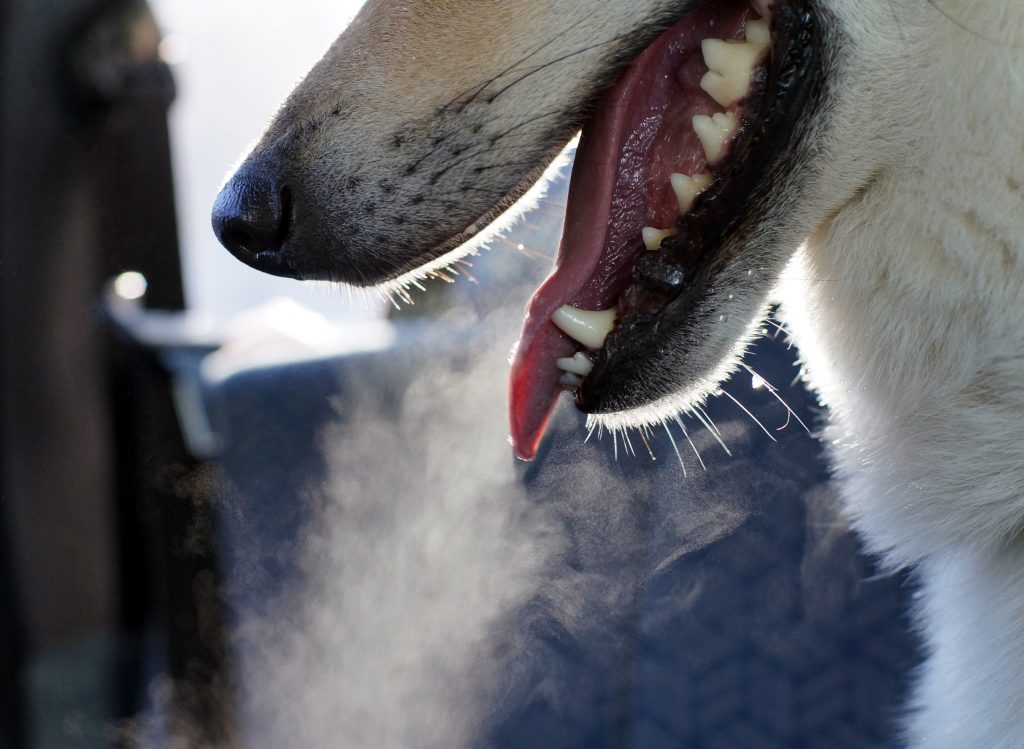
When our pets have bad breath, it’s often accepted as normal. However, bad breath in pets can be a sign of a more serious dental problem, including dental disease.
According to the American Veterinary Dental Association, up to 80% of dogs and 70% of cats have some form of dental disease by the age of three. While bad breath and other dental problems can develop at any age, it’s never too late to start your pet on a preventive oral care program.
How Pet Dental Disease Starts
Without daily cleaning, bacteria in the mouth combine with saliva and food on the teeth and gums, causing a sticky plaque to form. This plaque eventually turns into tartar, which is a hard, mineralized build up.
Over time, plaque and tartar continue to accumulate, causing inflammation of the tissues around the teeth. This painful process is called periodontal disease. When left unchecked, it results in both oral and systemic infection, tooth decay and loss of the teeth.
Preventive dental care in pets is important, and why routine oral examinations, home dental care, and
professional dental cleanings play into your pet’s overall well-being.
Symptoms of Pet Dental Problems
An oral examination is part of your pet’s annual check-up and can alert us to problems that can be addressed early on, before they become serious and expensive issues.
It is also wise to bring your pet in for a checkup if you notice:
- Bad breath
- Change in eating habits
- Pain when touching the mouth
- Obvious tartar buildup
- Red or swollen gums
- Bleeding or loose teeth
- Drooling
- Swelling of the muzzle
Sometimes, pets with dental disease will not show outward signs of trouble, because they are good at
concealing pain. However, most dental disease occurs below the gum line and only visible on X-rays where the condition of the roots and jawbone can be seen. It’s why we do full mouth X-rays as a part of any dental procedure.
Preventive Pet Dental Care at Home
Caring for your pet’s teeth at home is key to preventing and slowing the progression of pet dental disease. It also helps with awareness of your pet’s ‘normal’ and in noticing issues early.
Home dental care starts with regular tooth brushing. It takes a little time, but most pets learn to tolerate it well. We recommend starting as early in your pet’s life as possible.
Tooth Brushing Tips
- Aim to brush daily. Three times a week is a good start.
- Introduce the toothbrush slowly, using lots of praise and treats.
- Start by rubbing the teeth using a pet-specific finger brush. After your pet gets used to this, move to a pet-specific toothbrush.
- Keep brushing sessions gentle and short. You only need to brush the outer side of the teeth. It should take less than a minute to brush both uppers and lowers
- Use only a pet-specific toothpaste containing enzymes to break down plaque. These come in different flavors, so you can find one your pet likes.
- Do not use human toothpaste! It contains ingredients that are toxic to pets, including fluoride and Xylitol.
- It is normal for pets to lick the toothpaste and toothbrush while you’re brushing. Don’t let this distract you.
- If your pet won’t tolerate brushing, don’t force it, be patient. Most pets will get used to it over time.
Pet Dental Care Products
There are many pet dental care products available to help prevent dental disease. These include prescription dental diets, chews, treats, and rinses. While these will help, they don’t replace daily brushing and routine professional care. We carry many of the products our veterinarians recommend in our onsite retail shop, as well as at our online store. You can also check out the list of products recommended by the Veterinary Oral Health Council at https://vohc.org.
Professional Pet Dental Care
Pets require comprehensive dental examinations and thorough dental cleanings throughout their lifetime.
Recommendations for an oral care plan will be provided during your pet’s wellness visit.
Pet Dental Exams and Cleanings
To be performed correctly, in-depth exams and cleanings require that your pet be under general anesthesia. This allows us to examine the entire mouth, probe the teeth and obtain dental radiographs for a full assessment of your pet’s oral cavity.
After this assessment, the teeth are scaled on all surfaces and under the gum line to remove plaque and tartar. They are then polished to remove microscopic grooves. During the anesthetized examination, any diseased or painful teeth can also be extracted or other recommended treatments performed.
Don’t Ignore Your Pet’s Bad Breath!
Left untreated, dental disease can be painful and debilitating. It can also affect a pet’s quality of life and longevity.
If you need help getting your pet’s dental health on track, just give us a call. It’s always a good time to give your pet a fresh start!
The Four Stages of Pet Dental Disease
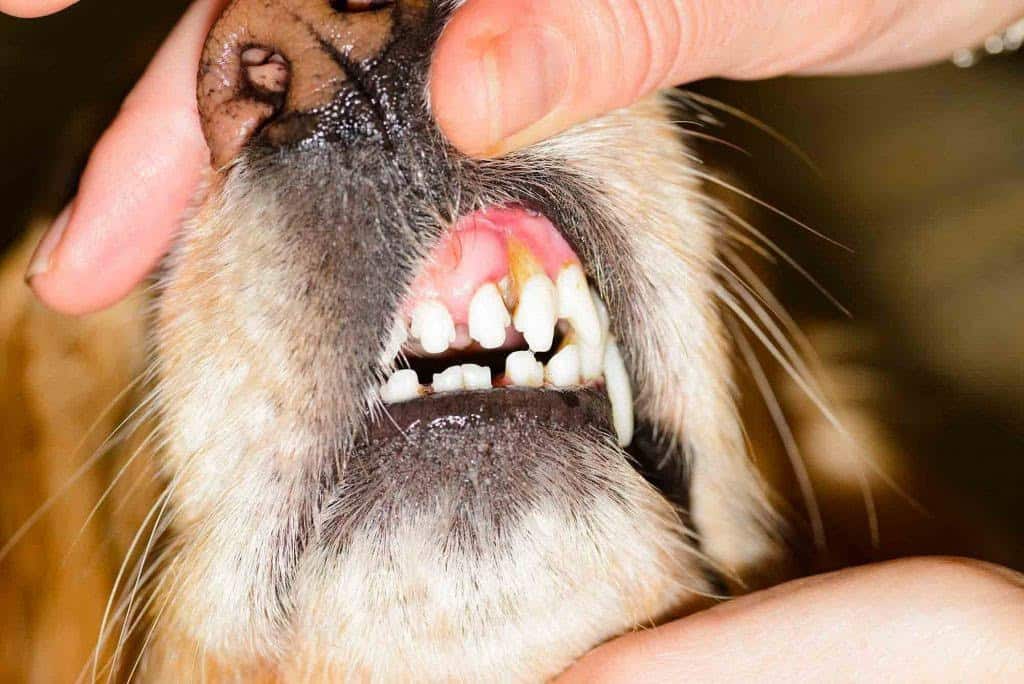
Pet dental disease, also called periodontal disease, is one of the most common clinical conditions seen by our veterinarians. This isn’t surprising when we consider that most dogs and cats show some signs of the disease by the time they reach 3 years of age. If left untreated, dental disease can lead to pain, tooth loss, infection, and even damage to the vital organs, such as the heart, liver, and kidneys.
At Lone Tree Veterinary Medical Center, we prioritize dental health because it is key to a pet’s overall well-being. This discussion focuses on dental disease in pets and how pet owners can prevent and/or properly manage it with comprehensive oral care.
What Is Pet Dental Disease?
Dental disease in pets occurs when plaque, film and tartar (hardened plaque) build up on the teeth both above and below the gum line. This accumulation irritates the gum tissue and allows bacteria to flourish, leading to damage of the supportive structures of the teeth. Significant pain, oral infection, bone and tooth loss, and even systemic damage can occur as a result of untreated periodontal disease.
Stages of Pet Dental Disease
We use these four stages to categorize the progression of dental disease:
Stage 1 – Early stage gingivitis is inflammation of the gums in response to the presence of tartar and bacteria. You may observe some gum swelling. A thin red line on the gums next to the teeth may also be visible during this stage.
Stage 2 – Early periodontitis occurs when there is a small amount of bone loss – less than 25% – visible on oral radiographs. You may notice inflammation of your pet’s gums, bad breath, and some visible plaque and tartar. A professional cleaning is needed to remove the plaque and tartar, and to reverse the progress of dental disease.
Stage 3 – Serious dental damage begins to occur at stage 3, also known as moderate periodontitis. Bone loss of 25-50% is visible on oral radiographs. Gums become swollen and irritated, and bleed easily. There is loss of gum attachment to the tooth, forming areas known as periodontal pockets. Your pet may also experience bad breath and significant pain, and need to have infected and/or damaged teeth removed.
Stage 4 – Extreme, chronic periodontal disease is the 4th and final stage. Bone loss of 50% or higher is visible on oral radiographs. Your pet is not only in severe pain but is at risk of losing multiple teeth. Your pet is also at risk of developing a systemic infection. This infection causes damage to internal organs by entering through the mouth and into the bloodstream and spreading throughout the body.
Preventing and Treating Pet Dental Disease
An oral examination is an important part of your pet’s annual wellness exam. A thorough exam of your pet’s mouth will help our veterinarian determine the next step in your pet’s oral care.
Regular dental cleanings play an important role in keeping a pet’s teeth clean and healthy over its lifetime. To be thorough, as well as to correct any problems caused by periodontal disease, we perform an ultrasonic scaling both above and below the gumline This requires that the pet be under general anesthesia. This is also why dental cleanings are considered a surgical procedure.
Regular home tooth brushing is another important part of a pet’s oral care regiment. We recommend brushing the outer sides of the upper and lower teeth at least 3 times a week. Use only a pet specific toothpaste and toothbrush. Regular brushing can also help reduce the number and frequency of dental cleanings that are needed over time.
Your veterinarian or technician will be happy to demonstrate proper brushing technique and answer any questions you have. Daily brushing, combined with checkups and dental cleanings will help your pet have a healthier and more comfortable life.
As always, your team at Lone Tree Veterinary Medical Center is here for you and your pet! Don’t hesitate to contact us to schedule your pet’s next visit.
Seizures in Pets: What You Need to Know

If you’ve ever witnessed a seizure in a pet, you know how scary it can be. Panic may set in as you wonder what is wrong with your furry companion and what you should or shouldn’t be doing.
Seizures in pets are one of the most commonly diagnosed neurological disorders, but that doesn’t make it any less frightening. Getting to the bottom of why your pet has had a seizure is the key to treating and preventing future episodes.
What is a Seizure?
Seizures are caused by abnormal bursts of electricity in the brain function, which causes involuntary muscle activity.
Continue…Chew on This: Finding Safe and Healthy Chew Toys for Pets

There’s no question that pets are wonderful; all that snuggling and playing fills our hearts with contentment, and makes the duties of pet ownership worth it. However, no matter how cute or sweet your dog or cat may be, some behaviors still remind us their wild cousins. Even the most placid and domesticated pet possesses many natural tendencies, including the drive to chew.
Providing a dog or cat with an outlet for chewing seems to be a reasonable solution, but there’s a lot more to chew toys than many pet owners realize. Every year, thousands of pets become sick or injured by chewing and swallowing toys, or parts of toys. Since our pets can’t distinguish between a safe or unsafe toy, it’s up to us to keep our furry friends safe and sound by paying attention to what we allow them to chew.
Continue…Lone Tree Veterinary Medical Center’s Top 10 Pet Care Blogs of 2018

It’s hard to believe that a new year is already upon us! As we reflect on the many valuable lessons and special moments of 2018, we’re reminded that none of it would be possible without our beloved patients and clients. Serving Denver area pets and their families is a privilege, and we’re so grateful for the relationships we’ve formed, both old and new.
Our monthly pet care blog is part of our ongoing service to you, and we’re thrilled that so many have been reading and enjoying it. Without further ado, we’re proud to present our top 10 most popular pet care blogs of 2018!
Continue…A Holiday Note from Lone Tree Veterinary Medical Center

The season of sharing and gratitude is here, and the holiday spirit is strong at Lone Tree Veterinary Medical Center. We are deeply grateful for the friendships we’ve developed this past year and for the enjoyable moments spent caring for your special companions!
Whether your pet comes to see us for medical care, boarding, grooming, or obedience training, we are grateful for the trust that you place in us to provide the care your pet needs. We love helping pets have better lives, and our interaction and experiences with them make our days purposeful and rewarding. It is also wonderful to share in the commitment you have for the lifelong health and well-being of your pets.
We work diligently throughout the year to exceed the standards of our accreditation with the American Animal Hospital Association (AAHA). We also stay up-to-date on the latest research and techniques. Our staff members have all chosen this profession because of their love for companion animals. In good times and bad you can count on us to be here for you and your pet. And, as always, we appreciate your feedback when it comes to your pet’s care and your experiences with us at our facility.
Merry Christmas and Happy New Year
As you and your pets share in the holiday festivities, please know we appreciate you. We wish you a safe, happy season and a wonderful New Year!
Lifelong Learning at Lone Tree Veterinary Medical Center’s Canine Academy
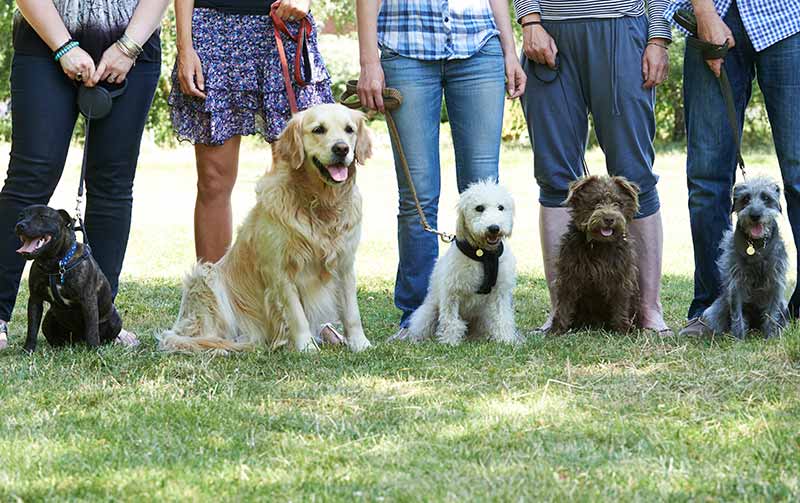 Wouldn’t it be wonderful if your puppy or dog arrived at your doorstep with perfect manners? Unfortunately, we all know this is hardly the reality. All dogs, regardless of age, require at least some training in order to learn how to navigate life with humans. At Lone Tree Veterinary Medical Center, we understand the importance of humane obedience training. That’s why we employ a full-time certified dog trainer and offer a wide variety of training options in our Canine Academy program.
Behavior Matters
A well-behaved, properly socialized dog is a joy to be around and makes for a much safer environment. Untrained dogs pose a risk to other people, animals, and themselves, making obedience training as much about safety as it is about good behavior.
Properly trained dogs are also easier to bring along on hikes, camping trips, and other outings. Being able to include the family dog in your adventures is fun for everyone, and these shared experiences add up to a wonderful life together. Continue…
When You Suffer, We Suffer: The Truth Behind Veterinary Staff Grief
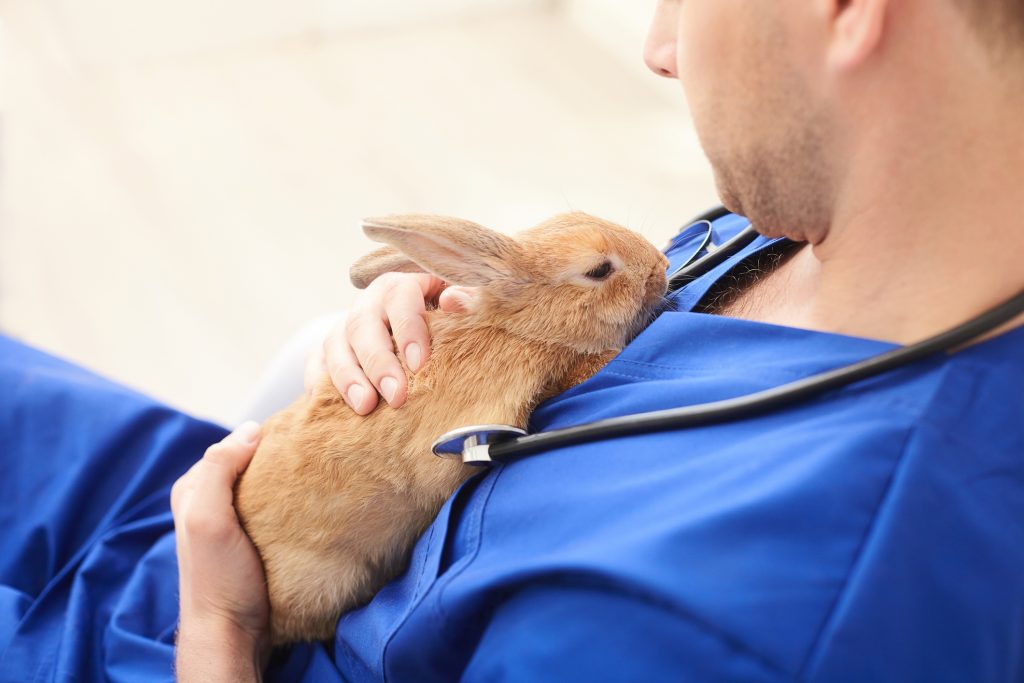 It’s safe to say that the vast majority of veterinarians and veterinary support staff chose their line of work because they love animals and find joy and satisfaction in caring for them. Knowing that we are playing a role in helping and guiding our patients and their families through tough times makes the long hours, and sometimes sleepless nights, more than worth it.
But, like most things in life, veterinary medicine isn’t all puppies and kittens. There are the bad days, too, and having to bear witness to the loss of many beloved patients can take its toll on even the most cheerful among us. Veterinary staff grief is a real aspect of our profession, and deserves understanding and acknowledgement, in both our peers and our clients.
Pet Insurance: Is It Right for You?
 As the field of veterinary medicine continues to advance, the costs associated with pet medical care are also on the rise. While it’s truly wonderful to be able to offer our beloved companion animals the best in medical treatment and life-extending procedures, the costs associated with modern technology can sometimes strain our financial resources.
Health insurance helps us to offset our medical bills, and in many cases pet insurance can provide similar peace of mind. Although pet insurance is not the right choice for everyone, it’s worth looking into and deciding for oneself if the benefits outweigh the risks.