Search Results for ‘spay’
The Choice Is Clear: The Advantages Of Laparoscopic Spaying
Each year in the United States, 83% of pet dogs and 91% of pet cats are spayed or neutered. Having your pet “fixed” has many advantages; besides reducing pet overpopulation, spaying and neutering can reduce the risk of certain cancers and ameliorate behavioral problems in many cases.
While both spaying and neutering are surgical procedures, neutering is relatively simple and straightforward. A traditional spay, however, where the entire reproductive system is removed from the body through an incision in the abdomen, is considered major abdominal surgery.
Traditional spay surgery remained relatively unchanged for decades, until now. Laparoscopic surgery has changed everything in the world of veterinary medicine, and we are thrilled to share this exciting information with our readers and clients. Continue…
Ins and Outs of a Sedated Grooming
Most pets that our groomers see don’t mind being professionally groomed and sail right through their bath, brushing, and haircut with flying colors. Some pets aren’t so willing, however, and the process of being bathed, brushed, or even touched by a groomer can trigger aggressive behavior that could harm the pet or the groomer, making the grooming impossible to attempt safely.
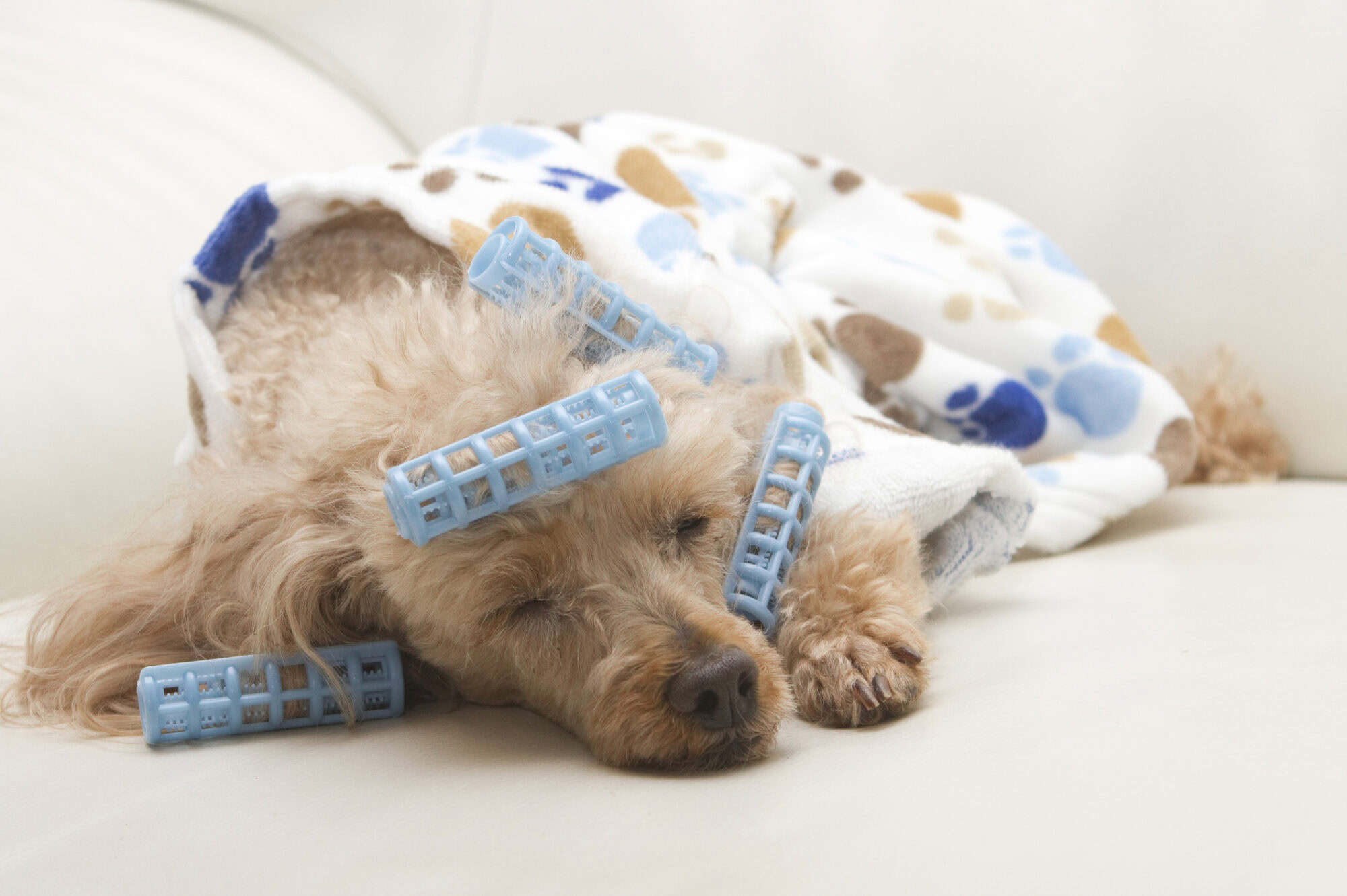
While aggressive, reactive behaviors are usually due to fear, anxiety, or both, and are certainly understandable, they present a problem when a pet needs a grooming service that cannot be done at home by the owner. In these situations, because we are a medical facility, we are able to assist the groomer by fully sedating the pet so the grooming service can be done safely.
What Does a Sedated Groom Involve?
Fully sedating a pet for a grooming service is a medical procedure performed in our medical department under the direct supervision of our veterinarian and surgery technicians. It involves the same anesthetic protocols we use for sedating a pet for a spay or neuter, a mass removal, or another surgical procedure. The pet will be fully unconscious and monitored by the medical team while being groomed by the groomer. Once the groomer is finished, the pet will be monitored while the effects of the sedation wear off, and the owner will be contacted when the pet is ready to go home.
What Grooming Is Included?
A fully sedated, unconscious pet cannot be safely bathed or fully brushed because it will be lying on its side, so the groom will not include a bath, a full brush-out, or a breed-specific haircut. What can be done is a complete shave-down, a nail trim, and an ear cleaning. For certain dog breeds, a haircut or clipping won’t be as perfect as it would be if the pet were standing. We recommend discussing your pet’s specific needs with our groomer for more details on what can be provided during a sedated groom.
Planning Is Key
The first step in planning for a sedated groom is for the pet to be evaluated by our veterinarian to determine the extent of the anxiety issue, whether sedation will be needed, and the appropriate sedation protocol based on the pet’s current health status. The sedation consultation will be scheduled as a regular exam appointment and costs the same as a regular exam. The consultation is important because full sedation is a medical procedure, and the veterinarian must determine that it is safe for the pet to be given an anesthetic. At the end of the consultation, a written estimate for the cost of the sedation procedure and grooming will be provided for your approval. Blood work may be required in some circumstances.
Scheduling the Grooming
Once you approve the sedated groom estimate, the grooming appointment can be scheduled in coordination with the medical department. Our receptionist will assist you in selecting the nearest available date on both the grooming and surgery schedules.
Preparing Your Pet
Your pet will need to be fasted overnight before its sedated groom and until the time of its procedure. This means no food or treats after 8:00 p.m. the night before; only water is allowed. In the morning, do not feed your pet. Allow only water. Fasting is required for your pet to undergo sedation.
On the Grooming Day
When you arrive for check-in, our technician will review your pet’s sedation procedure and the estimate with you, and you will be asked to read and sign both the estimate and an anesthesia consent form. Once this has been done, your pet will be brought into the medical department, where it will stay until the sedated groom is completed and your pet is fully recovered. We will call you when your pet is ready to go home.
Understanding the Costs
A sedated groom can cost several hundred dollars, as it encompasses three separate services and fees:
- The initial sedation consultation with our veterinarian.
- The sedation procedure and care provided by our medical team.
- The grooming services provided by our groomer.
Depending on the size of the pet, the nature of its haircoat, and the amount of time needed to complete the grooming, the total cost can be quite a surprise. It is best to discuss your pet’s needs with both the veterinarian and the groomer ahead of time so you can make the best decision for your pet’s needs and for yours.
Avoiding a Sedated Groom
Now that you have a better understanding of what is involved in a sedated groom, you may be asking how you can help your pet better deal with stressful situations so you can avoid the need for sedation altogether. Here are some ideas and recommendations.
- Start Early: We can’t stress enough how important it is to expose your pet to a variety of new situations and experiences when it is very young. This includes being bathed and brushed. It also includes having its head, body, feet, and ears touched and handled on a daily basis (gently, of course) by you, family members, and your pet-friendly friends. Get out and take your pet to new places, including the veterinarian. Most of all, expose your pet to professional grooming as early in its life as possible. If your pet was adopted at a later age, pace new experiences in accordance with how well your pet responds. Take your time and continue to work on it, as reacting calmly when handled by others is a valuable behavioral skill that will benefit your pet throughout its life.
- Socialize Your Pet: Learning to get along with unfamiliar people and pets is another important social skill that will reap many benefits for both you and your pet. Being comfortable and confident around others makes for a happier, well-adjusted pet and allows you to take your pet to new places and experiences without worrying about inappropriate reactive behaviors. Since not all pets are naturally social, developing this skill may require some time and effort. Group play in a supervised environment with other pets of similar size and age is a great way to nurture appropriate interactions and confidence. If your pet is leash-trained, regular outdoor group walks to public places are another good option.
- Seek Professional Help: When home desensitization techniques aren’t enough, getting a helping hand from a professional behavior specialist can make a big difference. This will most likely involve more than one training session and things to work on at home, but will also provide the benefit of a professional evaluation and customized training geared specifically toward your pet’s behavioral needs. Our pet behavior specialist offers both private sessions and small group classes that help pets learn socialization skills.
- Life Skills Matter: Just as we change as we age, so do our pets. Aging for senior pets can bring a gradual loss of hearing, sight, and physical strength, which can cause heightened fear or anxiety when the pet is in an unfamiliar setting or around unfamiliar people. Maintaining your pet’s socialization skills is key to helping it deal with both old and new experiences, regardless of your pet’s limitations. Daily interaction and activity with your pet are key to keeping it socially engaged in our human world.
- Daily Home Brushing Is Key: For pets that have haircoats longer than 1/2 inch, daily brushing is an essential part of avoiding professional grooming or at least minimizing the need for it. Thorough home brushing helps prevent tangles and matting and also rids your pet’s haircoat of dirt and debris. Over time, this will help prevent the need for professional brushing or a complete shave-down due to heavy matting that cannot be brushed through. Home brushing will also help your pet become used to and comfortable with being brushed and handled while promoting a healthier haircoat and skin.
We hope this information has helped you better understand what is involved in a sedated grooming procedure at our facility and why we take it so seriously. If you need additional information about a sedated groom or grooming in general, please do not hesitate to contact us.
The Ins and Outs of a Sedated Grooming
What Is Sedated Grooming?
Sedated grooming involves administering mild sedation to ensure a smooth and stress-free grooming experience for both pets and groomers. Most pets can be professionally groomed without sedation. However, there are some who require this procedure.
Candidates for Sedated Grooming
Candidates for sedated grooming include pets that struggle with aggression, easily stressed and those who struggle with physical pain due to heavy matting.
Continue…Kitten Care Basics
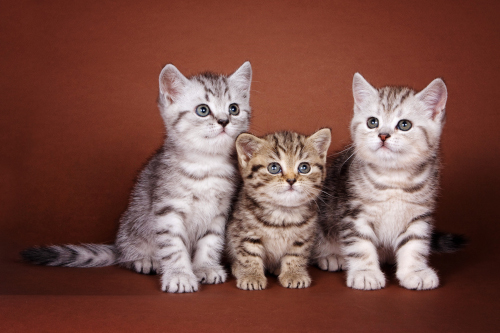
So you’ve taken the plunge and adopted a new kitten – congratulations! Get ready to be entertained, delighted, and perhaps a little frustrated… at times. Most of all, if you haven’t already, be prepared to fall head over heels for your adorable new friend!
These early days and weeks with your new little furball are fleeting and at Lone Tree Veterinary Medical Center, we want to help you get a great start by sharing some of our top kitten care basics. After all, making sure your kitten is a happy, healthy, and a well-adjusted member of your family is a top priority!
Continue…When Is It Time for Pet Diapers?

Dealing with a dog or cat that can’t make it outdoors or to the litter box in time can be incredibly frustrating. Following your pet around, encouraging it to go in the appropriate spot, only to turn around and see a new puddle on the floor can leave even the most patient pet owner at wit’s end.
There are many possible causes for incontinence in pets, ranging from an infection or disease to a simple lack of proper house training. Exploring the potential cause is part of good preventive care and should be pursued. In cases where the cause cannot be treated, pet diapers may be the solution.
Continue…Lone Tree Veterinary Medical Center’s Top 10 Pet Care Blogs of 2018
It’s hard to believe that a new year is already upon us! As we reflect on the many valuable lessons and special moments of 2018, we’re reminded that none of it would be possible without our beloved patients and clients. Serving Denver area pets and their families is a privilege, and we’re so grateful for the relationships we’ve formed, both old and new.
Our monthly pet care blog is part of our ongoing service to you, and we’re thrilled that so many have been reading and enjoying it. Without further ado, we’re proud to present our top 10 most popular pet care blogs of 2018!
Continue…Choosing The Right Pet for You
 Sharing your life with a pet can bring great joy and fulfillment. And, it’s exciting to think about bringing home that cute cat or adorable dog. But before diving in, it’s important (and smart!) to think about and consider your own lifestyle, and how a certain pet breed or species may be a better choice for you.
Each type of pet requires different housing, exercise, feeding, grooming, veterinary care and demands on your time. Pets also have their own personalities and energy levels, so a good personality fit, along with activity needs that match your own, should be considered as well. We at Lone Tree Veterinary Medical Center are here to help you explore the questions that will prepare you to choose the right pet for the way you live. And, with Adopt a Shelter Pet Month in full swing, the timing couldn’t be better for this topic! Continue…
Strategies for Successful Litter Box Training
 Anyone who has ever observed a cat fastidiously grooming herself, or carefully covering waste in the litter box, knows that cats are, by nature, very clean animals. Most kittens learn how to use a litter box from their mother before they come to live with you, but if you adopt an orphaned kitten or older cat, you may have to show her the ropes. Our litter box training tips will get you started off on the right paw!
The Marvelous Mutt: Why Mixed-Breed Dogs Make Great Pets
 The Westminster Dog Show (February 14–15) never fails to showcase the most exceptional of the purebred dogs. Dog enthusiasts everywhere have much to admire in the many beautiful, top notch qualities showcased in this fur-filled pageant.
There’s one breed you won’t find competing for Best in Show, and that is the mutt. Although mixed-breed dogs make an appearance in agility competitions, they won’t be winning the big award at the end of the night.
Indeed, humble mutts are rarely in the spotlight, but that hasn’t stopped them from becoming popular pets. There is much to love about mutts and so many reasons why they make wonderful pets!
Holiday Gift Ideas For Your Pet

Looking for holiday gift ideas for your pet? Check out our list of holiday gift ideas to spoil your beloved companion this season.
The Gift of Health
What better way to show your appreciation for all the love and joy your pet brings to your life than by providing him or her the gift of vitality and good health?
Annual or Semi-Annual Wellness Exam
Annual or semi-annual wellness exam is one of the most important gifts you can give your pet to make sure you know what’s going on beneath the fur. It’s well established that routine checkups help pets live healthier and happier lives, as problems can be found and treated early on, before they become major issues.
Spay/Neuter
Haven’t had your pet spayed or neutered yet? Make this the year you attend to this important health procedure. Studies show that spayed and neutered pets live longer.
Dental Care
Good dental care is an essential component of your pet’s overall health. A new pet toothbrush and pet-safe toothpaste make great stocking stuffers, as do dental chews and treats. Better yet, schedule that overdue appointment for a professional dental exam and cleaning for your pet.
Grooming Appointment
Pamper your pet and support its healthy skin and haircoat with a professional grooming session in our Grooming Salon.
Obedience Classes
Whether you have a new puppy just learning the ropes, or an older dog in need of a tune-up, obedience classes in our Canine Academy will help your dog become a fully integrated and happy member of your human “pack”.
Tried-and-True Pet Gifts
Check out our selection of pet-approved dog and cat toys, treats, food and care products in our lobby retail shop. We have stocking-stuffers that are sure to please any four-legged friend.
- Consider a comfy elevated bed (try orthopedic or heated versions for older or arthritic pets).
- A Thundershirt for the anxious pet (use for high-stress situations, only).
- A Wonder Walker dog harness, the perfect dog-walking tool. We carry them in a variety of sizes and colors.
- Pet snow booties, sweaters and rain gear are wearable gifts your pet will appreciate on outdoor winter excursions. Be sure to properly fit your pet — not too loose, not too tight — and remove when indoors.
DIY Gifts for Pets
Whether you’re the crafty type or just want to save money, homemade pet gifts are where it’s at these days. Pinterest and other craft and DIY websites are loaded with cute ideas sure to please, including:
- Build your own cat tree or kitty hide-out.
- T-shirt ball toy can be made using items you probably have at home.
- Food puzzles help fast eaters slow down while stimulating those foraging instincts.
For your pet’s safety, do supervise your pet while it’s playing with a toy, regardless of what it is.
The Best Gift of All
We hope our pet gift ideas inspired you! Still unsure what to get for your furry companion this holiday season? Remember, the greatest gift you’ve already given your pet is a loving home with you. Take a break from the holiday hustle to show your pet some extra love with a walk, a play session, their favorite activity, or some good old-fashioned snuggles. Quality time together doesn’t cost a thing and brings comfort and joy to both you and your beloved pet.
As always, don’t hesitate to give us a call with your questions or concerns. We wish you, your family — two legged and four — a happy and healthy holiday season!