
Our Blog
Canine Massage Therapy – Helping Dogs Feel Better
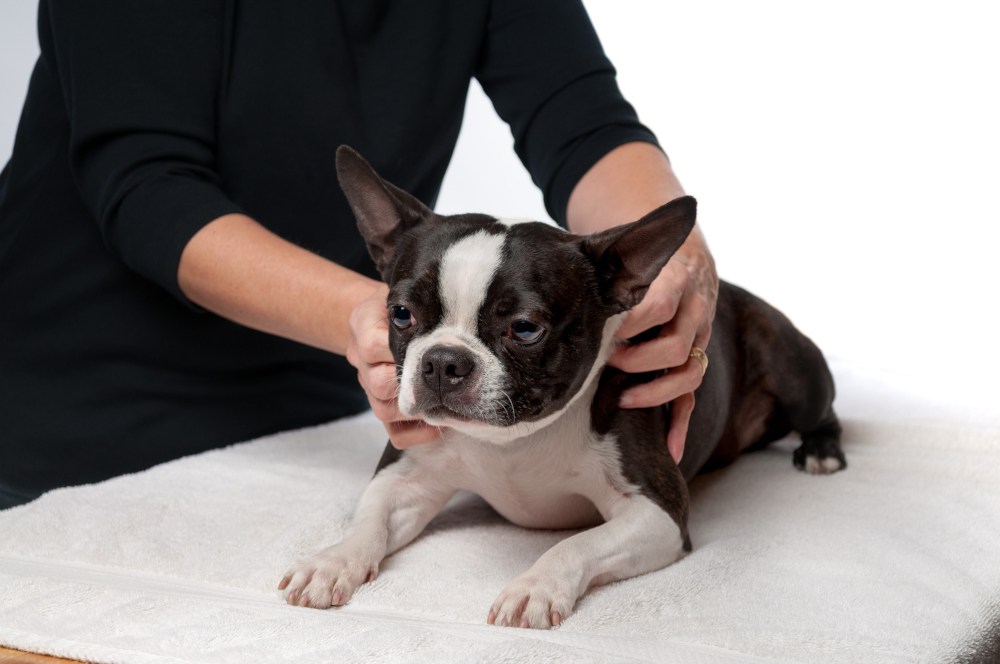
If you’ve ever experienced a therapeutic massage, you know how good it can make you feel. Whether it’s for relaxation or for the overall healing effects, a therapeutic massage can do wonders for both the body and the mind. Dogs can experience these same benefits with canine massage therapy, a natural approach to health and well-being that can leave our dogs feeling great.
What is Canine Therapeutic Massage?
Often referred to as therapeutic touch, canine therapeutic massage utilizes a variety of techniques to manipulate the muscles and surrounding soft tissues to ease pain, soreness and stiffness. It also assists in healing. By applying various hand, finger, and forearm pressures on areas of the body, along with other actions such as kneading, tapping, circular motions and cupping, a canine massage therapist is able to ease muscle tightness, relieve stress and pain around joints, stimulate blood and lymphatic flow, and provide relaxation – all of which can improve a dog’s mobility, health, and sense of well-being.
History of Massage on Animals
Interestingly, the practice of massage on animals is not a modern concept. Historical evidence indicates that ancient cultures were aware of the benefits of massage. It was used to help the animals they relied upon for survival, including their domesticated dogs. The various forms of therapeutic massage seen today still utilize many of those early techniques.
In the mid-1970s, equine circles embraced therapeutic massage after it was used it on an older horse to help restore its mobility. The horse’s improvement was so dramatic that the use of massage became well-accepted at equestrian events and in professional horse racing. Today, therapeutic massage plays a predominant role. Treating a variety of soft tissue injuries in horses and improving their athletic performance.
A Natural Alternative for Dogs
Canine massage therapy has been a common fixture at dog shows and dog sporting competitions at both state and national levels for many years.
With the growing interest in natural alternatives to prescription medications for managing chronic conditions such as arthritis and anxiety, as well as recovery from injury or illness, therapeutic massage provides a non-invasive option for any dog –athletic or not – to help them to live more comfortably.
The Many Benefits of Canine Massage
Therapeutic massage for our canine companions offers many unique benefits. These benefits can make a big difference in their quality of life. They include the following:
- Eases muscle tightness
- Increases range of motion
- Balances muscle tone
- Enhances mobility
- Helps recovery from illness
- Promotes healing after injury or surgery
- Reduces stress
- Strengthens the immune system
- Improves mental well-being
- Helps anxious dogs to relax
- Can produce quick results
- Useful for dogs that resist handling
How Is Canine Massage Performed?
Typically, a canine massage begins with the dog in a seated position. While closely monitoring how the dog is responding to being touched, the therapist may start by gently massaging small areas along the spine. Areas that feel tight will receive extra attention. As the massage progresses and the dog becomes more relaxed, it is not unusual for a dog to voluntarily lie down. With the dog lying on its side, the therapist may start working on the shoulder, hip and leg areas.
If there is a specific trouble spot the therapist knows about ahead of time, this will also be addressed once that area is easily accessible and the dog is receptive to being touched there. Ideally, the therapist will be able to work the dog’s body on both sides. However, the progression of the massage will depend largely on the dog’s response throughout the entire process.
In most cases, once dogs experience a therapeutic massage and know that it tends to feel good, they relax more easily during the next massage. This allows the therapist to focus on specific problem areas or work areas more deeply. An experienced therapist will be able to assess how receptive a dog is and adjust the massage accordingly.
The Gift of Feeling Better
At Lone Tree Veterinary Medical Center, dogs can experience the wonderful gift of canine massage therapy. Our certified and licensed canine massage therapist with over six years of experience with dogs of all ages and breeds.
Massages are 30 minutes long and available on Wednesdays by appointment. Your dog’s massage will be customized to its specific needs. You can be present with your dog during the entire massage appointment.
Book Your Dog’s Appointment
If you want a massage for your dog to relieve pain, ease soreness, promote relaxation, or reduce anxiety while boarding with us, we can help. Give us at 303-708-8050 and we’ll schedule your dog’s session. We love making your special friends feel better!
Pet Safe Valentine’s Day

A Pet-Safe Valentine’s Day is simpler than you might think. To keep your pet safe and out of the emergency room, we’ve put together essential Valentine’s Day pet safety tips.
Flower Arrangements
Flowers and Valentine’s Day go hand in hand. Selecting the perfect flower arrangement is already challenging, but it becomes even trickier when considering which flowers could be harmful to your pets.
Continue…The Ins and Outs of a Sedated Grooming
What Is Seating Grooming?
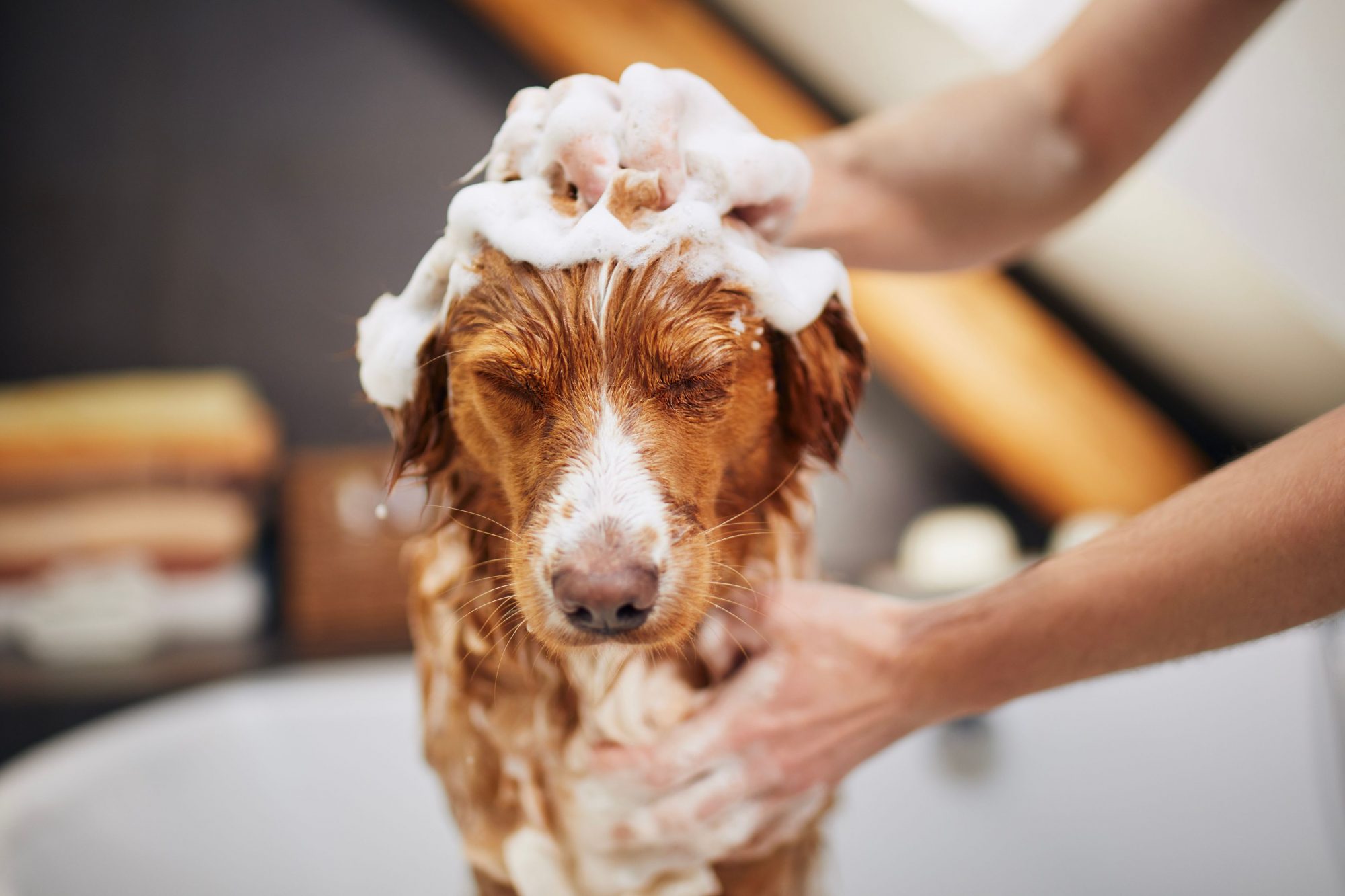
Sedated grooming involves administering mild sedation to ensure a smooth and stress-free grooming experience for both pets and groomers. Most pets can be professionally groomed without sedation. However, there are some who require this procedure.
Candidates for Sedated Grooming
Candidates for sedated grooming include pets that struggle with aggression, easily stressed and those who struggle with physical pain due to heavy matting.
Continue…Keeping Your Cat Calm At Vet Visits
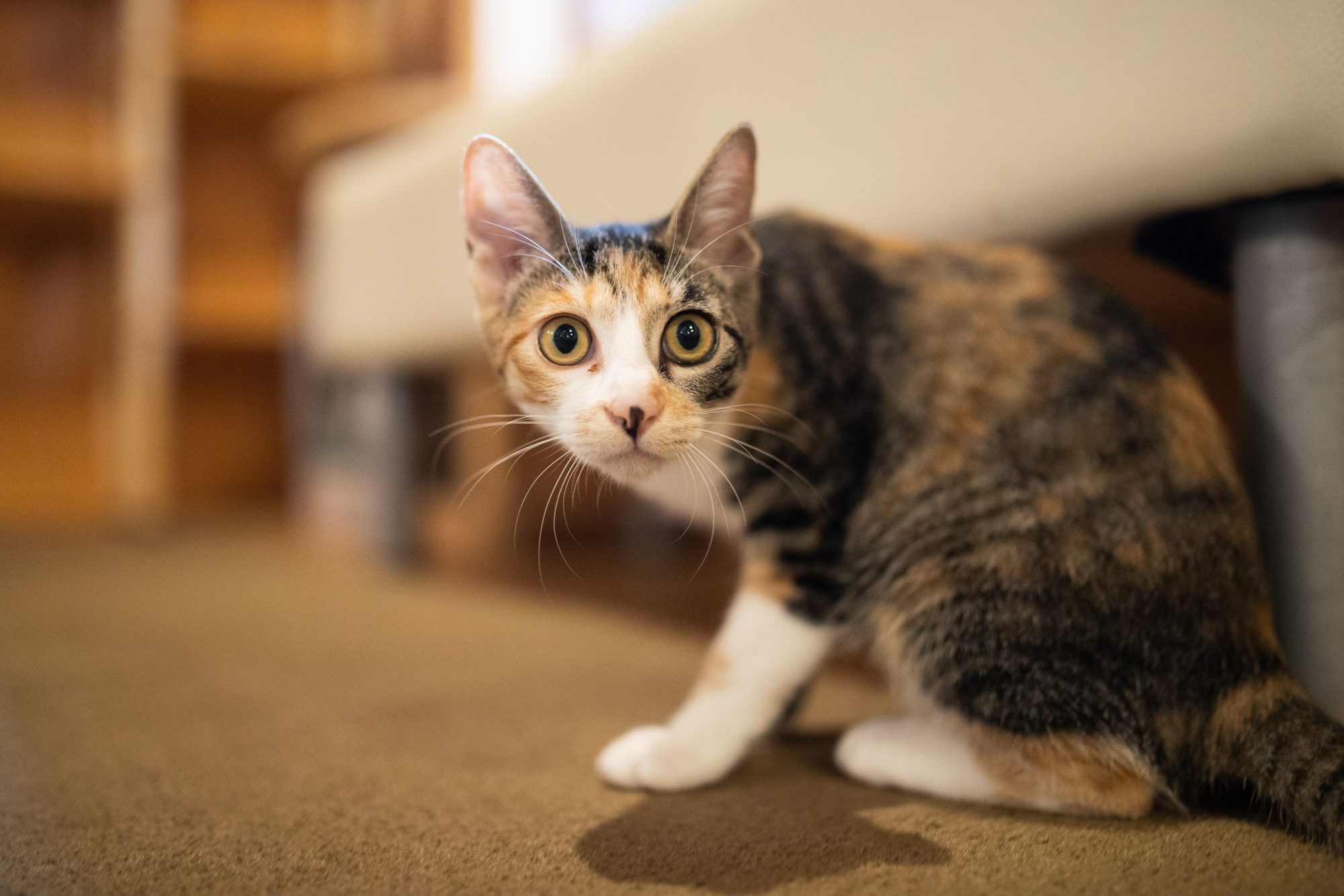
Keeping your cat calm during vet visits can be challenging. But with some preparation and care, you can make the experience less stressful for both of you. Below are tips to make the visit to the vet more tolerable.
Continue…How to help your dog stay calm during vet visits
Keeping your dog calm during vet visits doesn’t have to be stressful. In fact, there are several steps you can take to make your next trip a little easier for both you and your pet.
Continue…Kennel Cough In Dogs
Many dog owners have heard of kennel cough–especially those who board their dogs or take them to daycare facilities. Fewer, however, may know what kennel cough actually is. At Lone Tree Veterinary Medical Center, we’re here to help you understand kennel cough and to what extent it is a concern.
Continue…Pet Separation Anxiety
Just as humans, our pets can experience separation anxiety. It affects dogs, cats, birds and other small pets. If not addressed, a pet’s anxiety can develop into chronic, lifelong behavioral problems. These problems negatively impact a pet’s ability to interact appropriately with people and other pets. They can also jeopardize the pet’s relationship with its human family and, ultimately, its own well-being.
Continue…The Danger of Leptospirosis in Dogs
Leptospirosis is a disease caused by Leptospira bacteria, which are found worldwide in soil and water. Numerous strains of these bacteria can cause illness, affecting a wide range of mammals, including dogs, people, livestock, and certain wildlife. While cats can also get sick, such cases are rare.
The Leptospirosis vaccine a core part of our dog vaccination program after reports of the disease emerged in Colorado. We took this step due to the risk it poses to dogs and its potential to spread to humans.
Continue…Canine Oral Papilloma Virus: Knowing the Signs and Risks
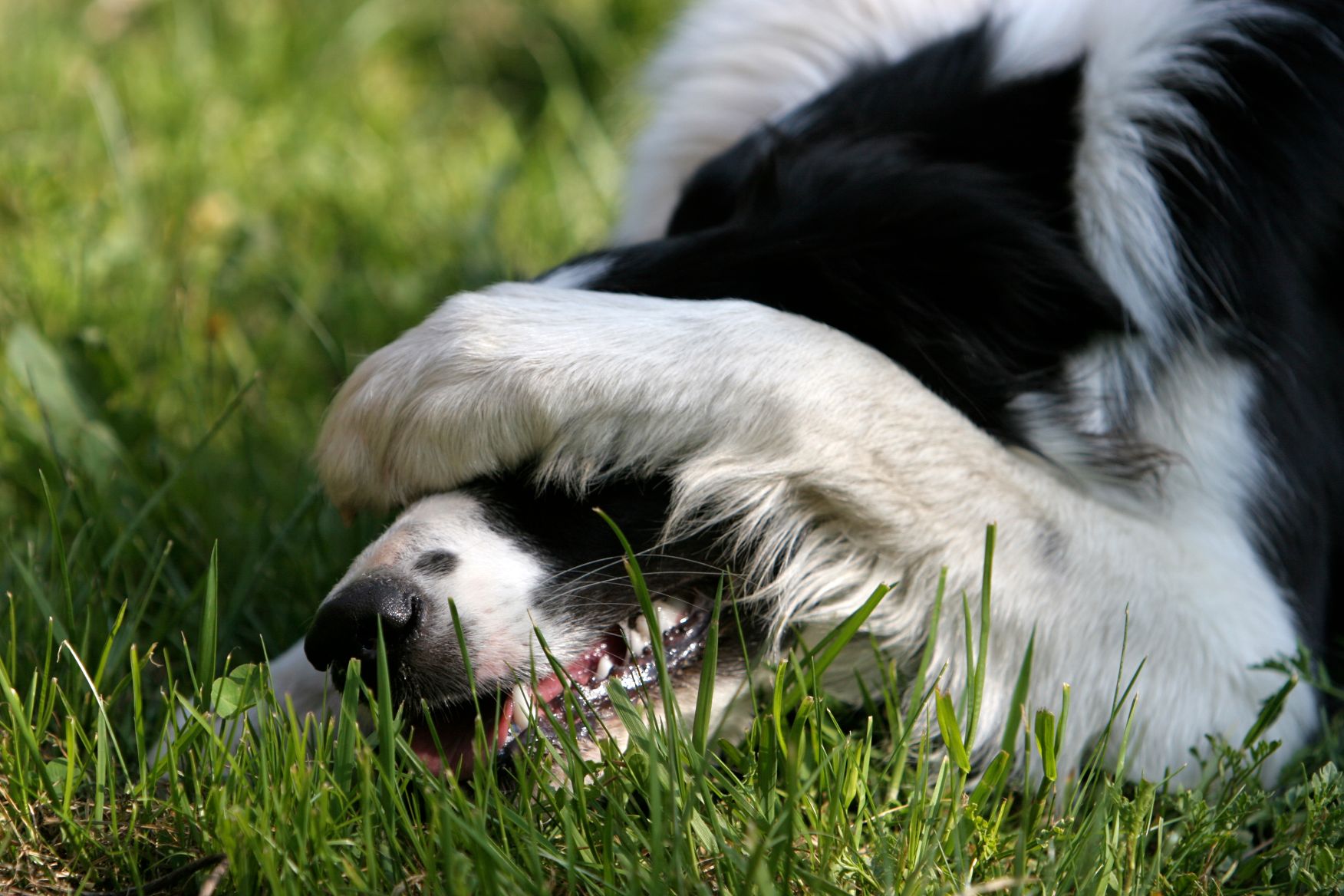
We often think of puppies as cuddly and adorable creatures, but that little wart-like bump you just noticed on your pup’s lip may not be so cute. While lumps and bumps on dogs are not unusual, when they occur in young and/or social dogs, canine oral papilloma virus, or COPV, is on the list of rule-outs for our team at Lone Tree Veterinary Medical Center.
Continue…Small Dogs Have Small Dog Needs

An endearing characteristic of small dogs is that they often come with big dog attitudes. Convincing as their “big dog” behavior may be, our small dogs still have some unique small dog needs.
At Lone Tree Veterinary Medical Center, we see a lot of small dogs at our facility and are happy to share some interesting observations on what makes them different from their larger canine counterparts, and how this affects their behavior and care.
Continue…