
Posts in Category: The Great Outdoors
Cozy Toes: The Principles of Winter Paw Protection
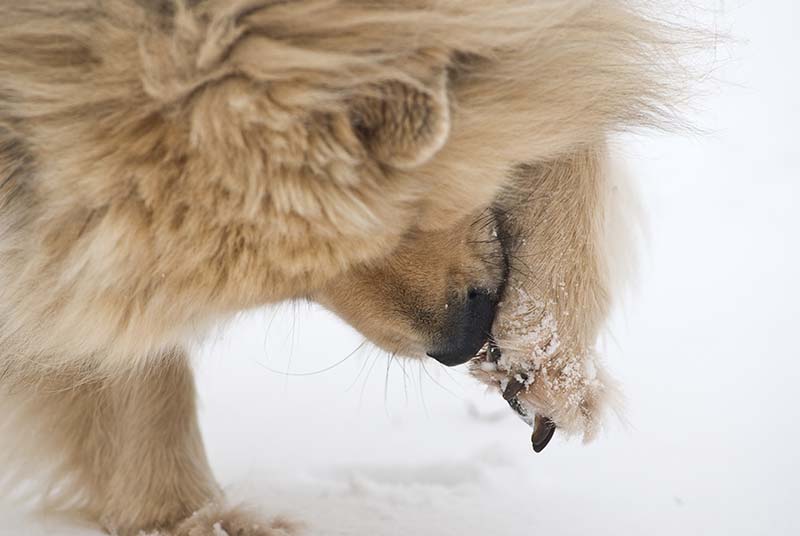
Our pets rely on their paws to transport them everywhere they need to go and in all types of weather, and it is easy to assume that their paws can withstand whatever Mother Nature throws at them. Unfortunately, cracked pads, frostbite, chemical burns, and more present numerous hazards to the well-being of our pet’s paws, especially, this time of year. With this in mind, the team at Lone Tree Veterinary Medical Center would like to walk you through the basics of winter paw protection for your furry loved one!
Adorable Anatomy
Paw pads are some of the cutest parts of any pet, but they also serve many important functions. Pads provide cushioning and shock absorption by protecting the ligaments, tendons, and bones from the impact of walking and running. They also provide insulation from hot and cold surfaces, as well as traction when a pet traverses across varying types of terrain. Paw pads also protect against bacteria, parasites, and other nasty contaminants present on any surface or terrain they come in contact with.
As a pet matures, the surface of the pads will become more tolerant to heat, cold, and rough surfaces. That doesn’t mean, however, that they don’t need some additional protection. Their paws remain vulnerable to the damage caused by extreme cold, ice, and chemical de-icers.
Continue…Hiking the Trails Safely with Your Dog
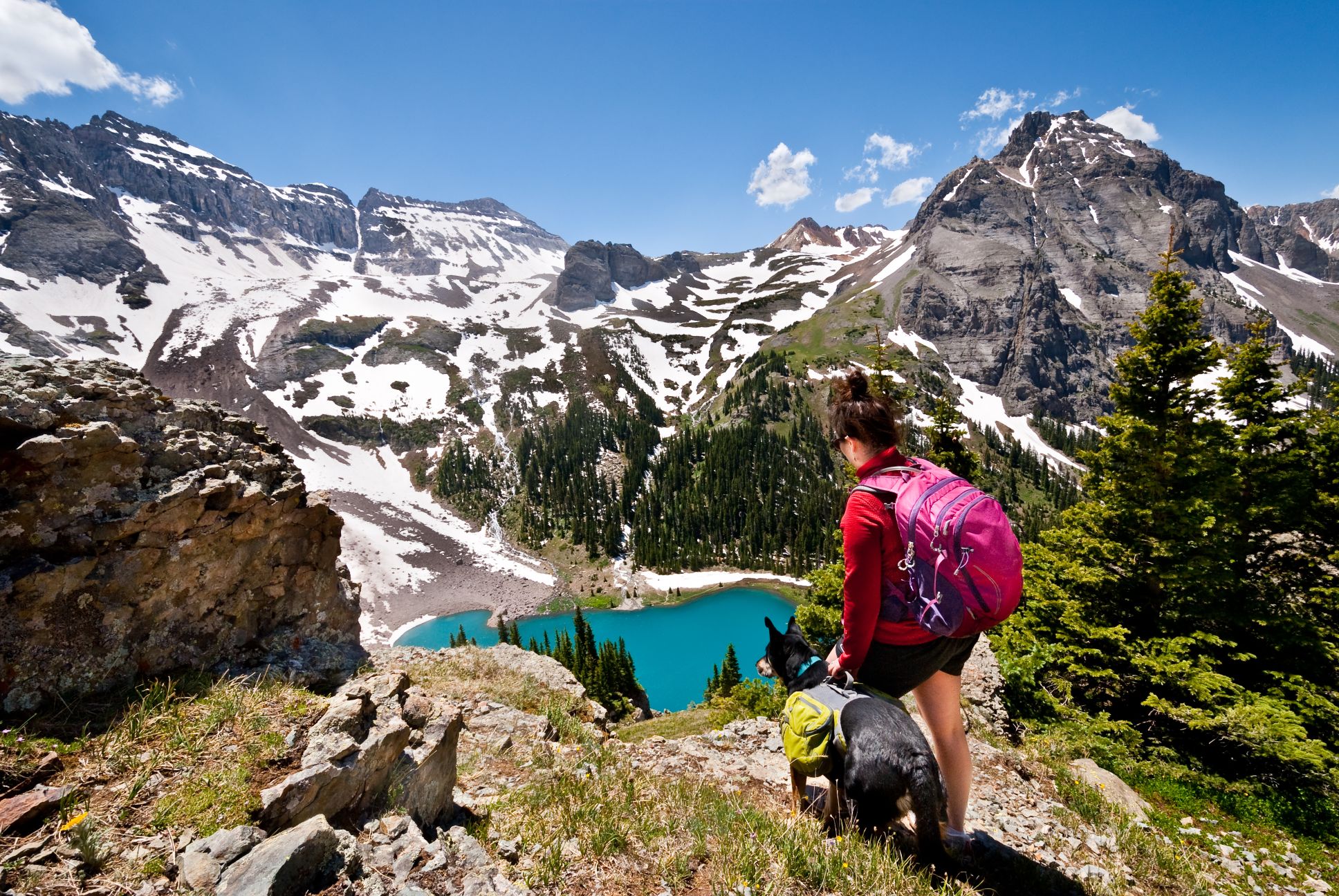
Colorado is full of majestic mountains and scenic trails that are hard to resist, especially, when
sharing them with your canine hiking companion. At Lone Tree Veterinary Medical Center, we believe that hiking the trails safely with your dog involves proper training and preparation.
To ensure a great experience, you need to get your dog ready for different terrains, weather conditions—from heat and cold to rain and snow—and changing elevations. Keep reading for tips on staying safe and avoiding common mistakes that could get you into trouble.
Continue…Green In The Face: Why Does My Dog Eat Grass?
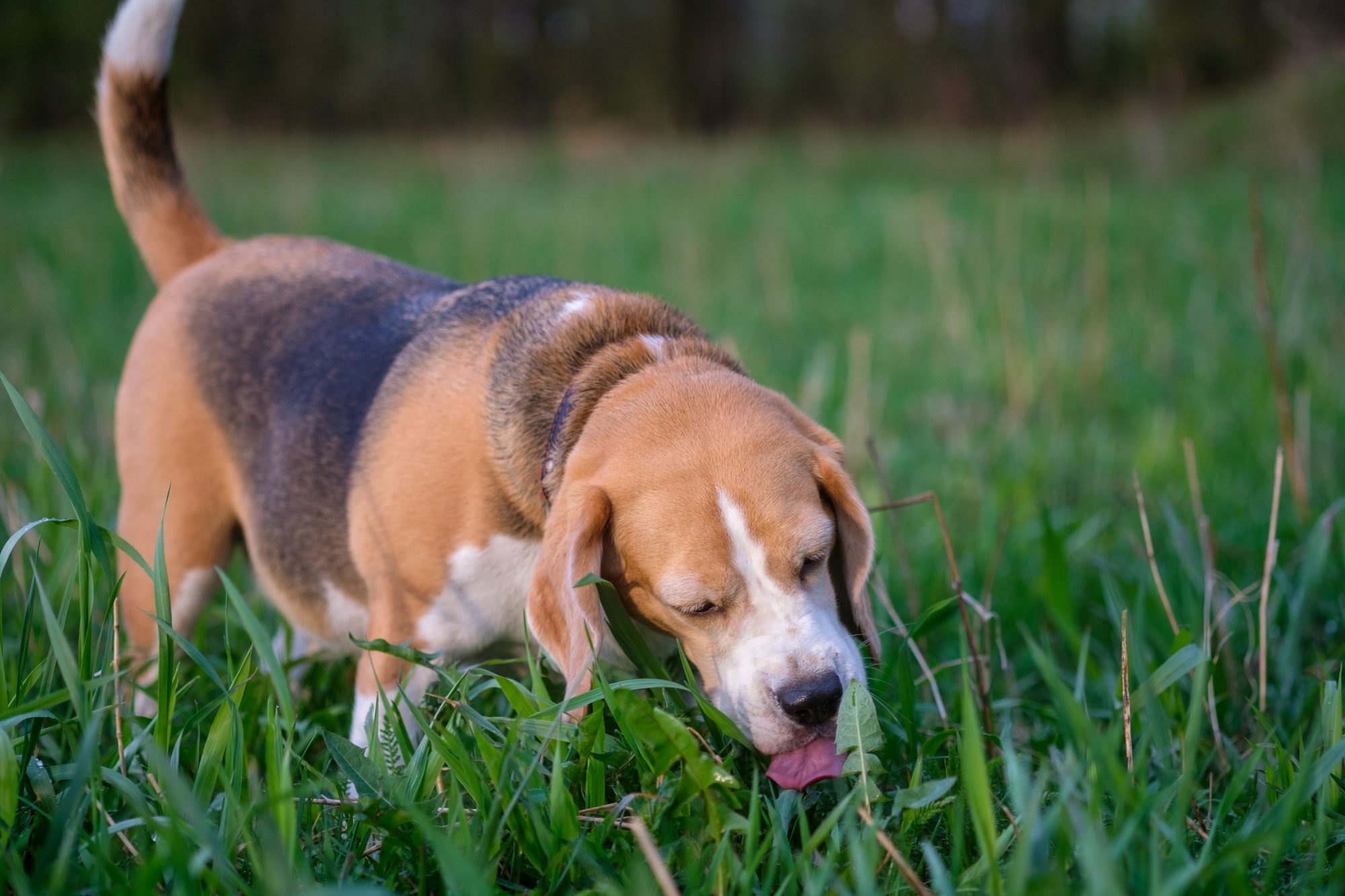
Dogs have a host of quirky behaviors, especially when it comes to eating odd things, and grass is definitely one of them. If your dog has a tendency to nibble on your lawn when outdoors, you probably want to know ‘why’ and if this habit is harmful. The team at Lone Tree Veterinary Medical Center is happy to help you better understand why some dogs like to consume the green stuff.
Continue…Pet-Safe Pest Control: Is It Possible?
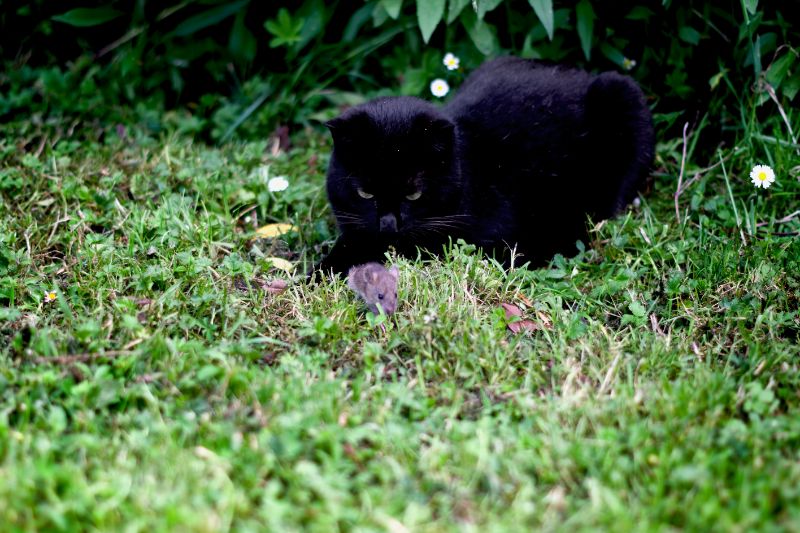
No one wants to share the yard, garden or house with uninvited guests. While insects and rodents may be fine from afar, the minute they cross our threshold or create problems in our yard, we humans usually decide to take charge.
For some, the easiest approach to pest control involves the use of chemical treatments. Pet owners, on the other hand, have the added responsibility of using pet-safe pest control methods, both inside and outside of the home.
Continue…Don’t Get Burned: The Facts On Pets and Sunscreen

Like humans, pets can get sunburned. Having fur doesn’t make them completely safe. While their fur offers some protection, there are still good reasons to provide additional sunscreen and sun protection.
At Lone Tree Veterinary Medical Center, we’re happy to explain the ins and outs of pets and sun protection. And and tips on keeping your pet protected and comfortable while summer days in the sun.
Continue…Can Pets Get Altitude Sickness?
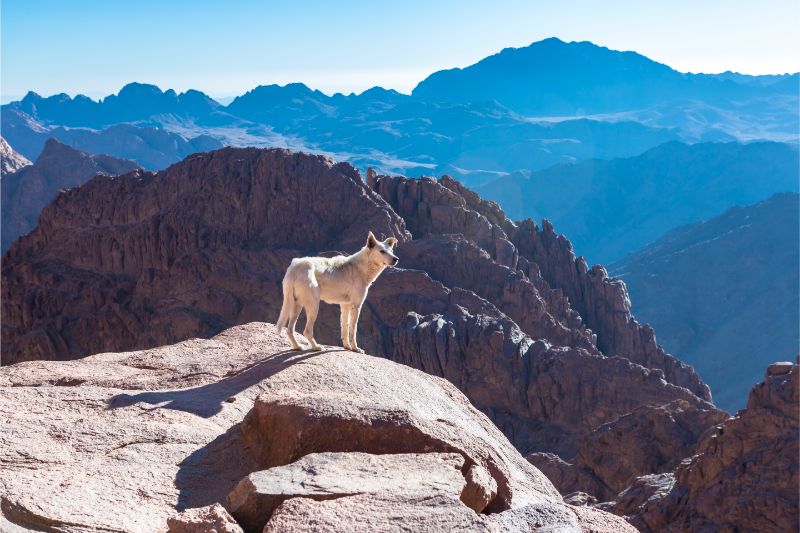
At our altitude of 5,280 feet above sea level, most Denver residents and visitors don’t experience the debilitating effects of altitude sickness. However, once they venture into the mountains, the situation changes. Nausea, dizziness, and shortness of breath associated with altitude sickness. This affects about 20% of people above 8,000 feet. Potentially ruining a day of skiing, hiking, or sightseeing.
Pets are also vulnerable to altitude changes and can experience many of the same symptoms as humans. Left unchecked, altitude sickness in pets can be dangerous. And can lead to a potentially deadly buildup of fluid in the lungs and brain.
There’s nothing wrong with enjoying the great Colorado outdoors with your pet. However, knowing the signs of altitude sickness in pets and when to seek help is crucial for keeping them safe in the mountains.
Continue…Splish Splash: Where Should Your Dog Swim?
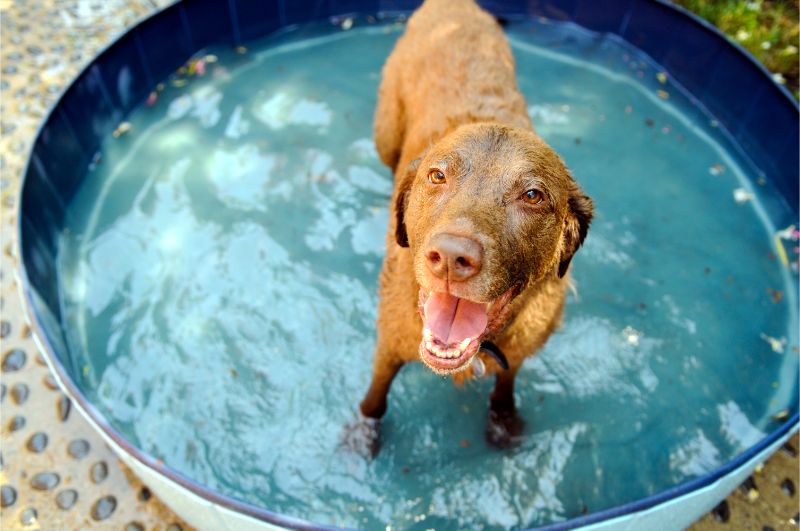
For dogs that love the water, going for a swim on a hot day is a real treat and one of the best parts of summer! However, finding a safe place for your pooch to splash around in is another issue entirely. Should your dog swim in a chlorinated pool? What about a local lake or river? Is it safer to just fill up a kiddie pool in the backyard?
At Lone Tree Veterinary Medical Center, we want pets to get plenty of exercise and bonding time with their owners. With careful observation, appropriate safety measures, and a little common sense, you might find swimming to be an enjoyable activity for you and your furry pal!
Continue…Dog Parks: Are They Right For Your Dog?

It sounds like a great idea – take your dog to a large, fenced-in area where it can run free with other canine friends. You get to skip the daily walk, check your email, maybe chat with other dog owners, then leave with an exhausted-but-happy dog. What could be better?
Dog parks can be big on the convenience factor for us humans, but being in close proximity to lots of other dogs can also present some problems for your dog. Before taking your pup to the park, it’s important to weigh the pros and cons, so we at Lone Tree Veterinary Medical Center have some important points for you to consider.
Continue…Hitchin’ A Ride: The Case for Flea and Tick Prevention
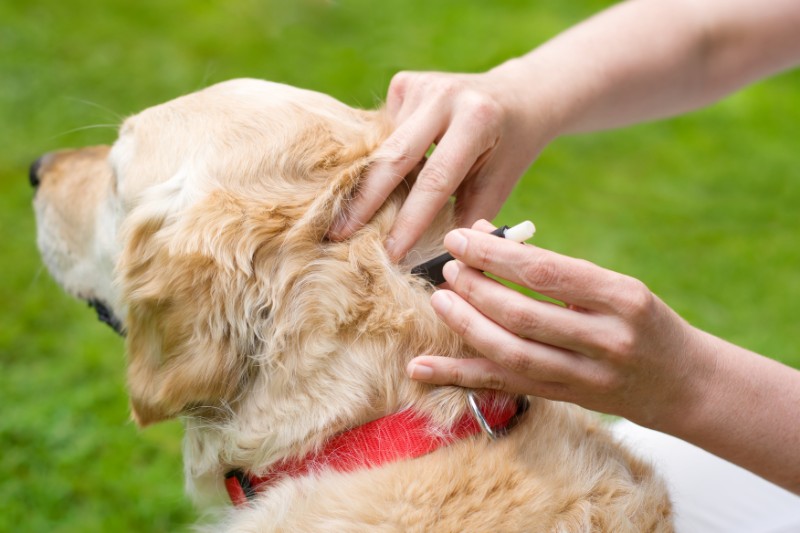
Spring is a notoriously fickle time in Colorado. One day, we’re enjoying temperatures in the 60s, and the next day we’re hit with a snow storm! This variation between cold and warm weather can make it easy to ignore your pet’s parasite prevention. Unfortunately, a little spring snow isn’t enough to keep fleas and ticks at bay for long. Although they may seem inactive during a cold spell, it only takes a few 50 to 60 degree days for parasites to become active again.
Pets most often pick up fleas and ticks outdoors after these parasites drop from other animals onto the ground, grass, or shrubs. Even indoor pets face exposure when people carry the parasites inside on their clothing. Typically, these parasites go unnoticed until they bite your pet, causing itching, skin rashes, and hair loss. Or, as with a tick, you’ve discovered a little round bump on your pet that wasn’t there a few days before.
Continue…Heartworm Disease: A Growing Threat in Colorado

If you’re a longtime Denver area resident, you’ve surely noticed how much the metro area has grown over the past 10 years. And, our population growth continues to extend outward beyond the city and surrounding suburban areas.
While Colorado’s popularity as a great place to live is mostly a good thing, it also affects us in ways that we may not think of, such as how it affects our pets. With more and more people and pets moving here, the number of heartworm disease cases seen by local veterinarians has increased every year.
Continue…