

The Benefits Of Crate Training Your Pets
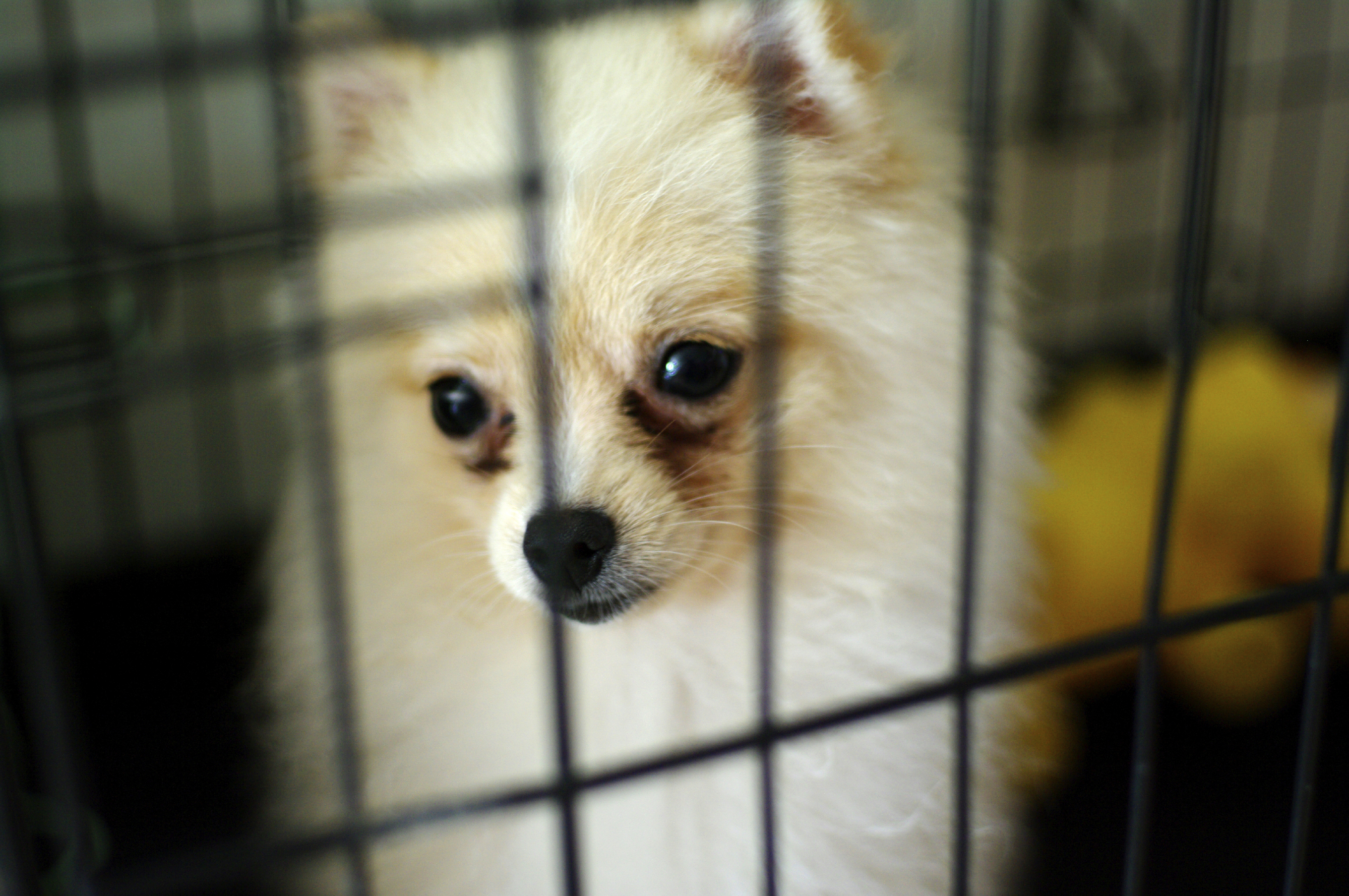 All pets will eventually need a crate or carrier for transportation, boarding, grooming, hospitalization, or emergencies. Pets familiar with a crate experience significantly less stress and anxiety when kenneling is required during these times.
Although many people believe kenneling a pet is cruel, when used correctly, a crate can provide a safe haven for a dog or cat. Not only can it offer a quiet spot to rest, kenneling can help with overall training, as well.
Dog Crate Training
Your dog’s crate should be just large enough for them to stand in and turn around. Don’t buy a crate that is too big. Instead, buy one for their adult size and use a divider to restrict the space. This allows you to gradually expand their area as they grow. Dogs like to feel like they’re part of the action. Place the crate in an area of the house where your family spends a lot of time, but that is still quiet enough to be a refuge.
Begin training by offering treats inside the crate. Once your dog has accepted this, begin to serve meals inside, near the back end of the crate. If your dog is comfortable standing and eating inside the crate, you may close the door, opening it as soon as the meal is over. Slowly increase the amount of time your dog is inside the crate with the door closed, based on his or her comfort level.
Because you want your dog to associate the crate with positive feelings, it should never be used as a punishment tool. Also, don’t leave your dog in the crate for too long. This can cause a dog to become depressed or overly anxious. Puppies under 6 months of age should not be crated for more than 3-4 hours at a time. After your dog has learned the rules of the house, the crate should be in a place he or she will tend to go voluntarily.
Cat Crate Training
Contrary to popular belief, cats can not only tolerate a crate or travel carrier—they can also learn to love it.
While a variety of carriers exist, many cat owners successfully use models with collapsible walls and doors. Make the inside of the carrier as welcoming as possible by lining it with cozy blankets and favorite toys. Offer treats and meals in and around it. As your cat starts to accept their new “den,” try adding the walls and eventually the doors (if using a collapsible carrier).
Once your cat feels comfortable being closed inside the carrier, pick it up and walk it around the house. Move on to taking short car rides, increasing the amount of time in the carrier at your cat’s pace.
Place the carrier where your cat already enjoys spending time, perhaps tucked into a corner of your bedroom or up on a shelf in the family room. The goal is for your cat to eventually view the carrier as a natural habitat. Experiment with different locations if your cat initially shows no interest.
Need Help?
The Behavior Training at Lone Tree Veterinary Medical Center is happy to answer any of your questions regarding crate and/or carrier training. Don’t hesitate to give us a call!