
Posts in Category: The Great Outdoors
Safeguarding Against Outdoor Pet Toxins
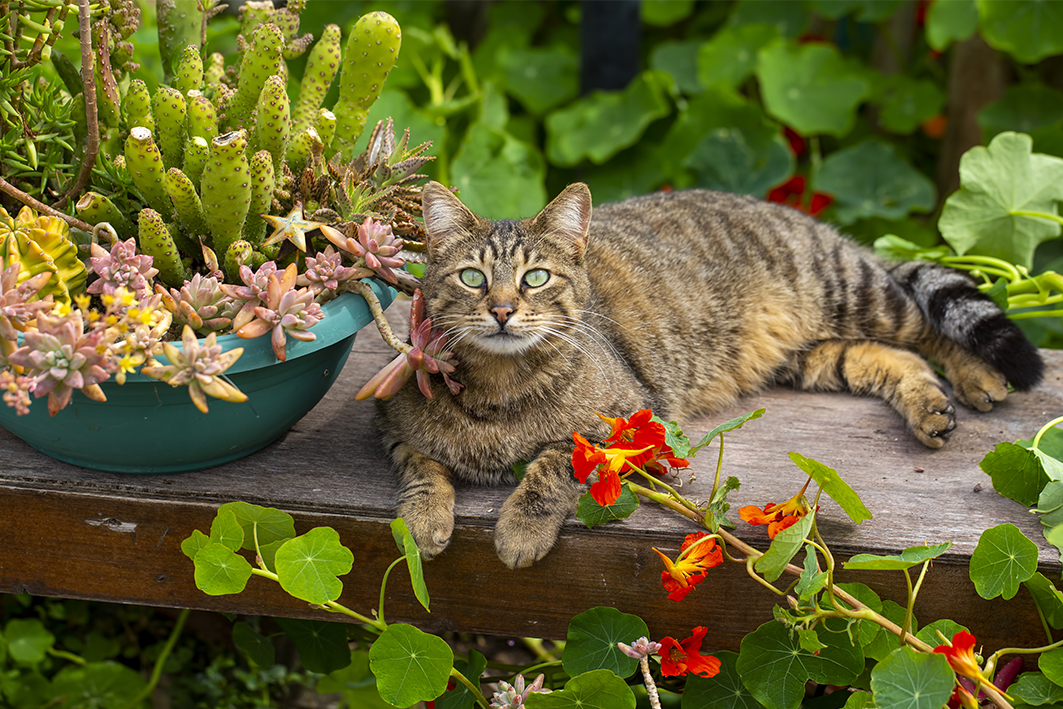
As we settle in for another season of tinkering around in our garage and backyard, it’s important to keep your pet’s safety in mind. Many of the chemicals we commonly use for outdoor maintenance can injure or even kill a pet. Although you may not expect your pet to get into trouble in your garage or yard, pets can be known to eat just about anything, so protecting them from outdoor pet toxins is essential.
Continue…Tips for Safely Running With Your Dog

For dog owners with energetic canines, bringing Fido along on your daily run can make good sense and be quite enjoyable. Regular exercise helps dogs stay fit, and can reduce anxiety and undesirable behaviors. Below are tips for safely running with your dog. Continue…
The Ins and Outs of Heartworm Prevention
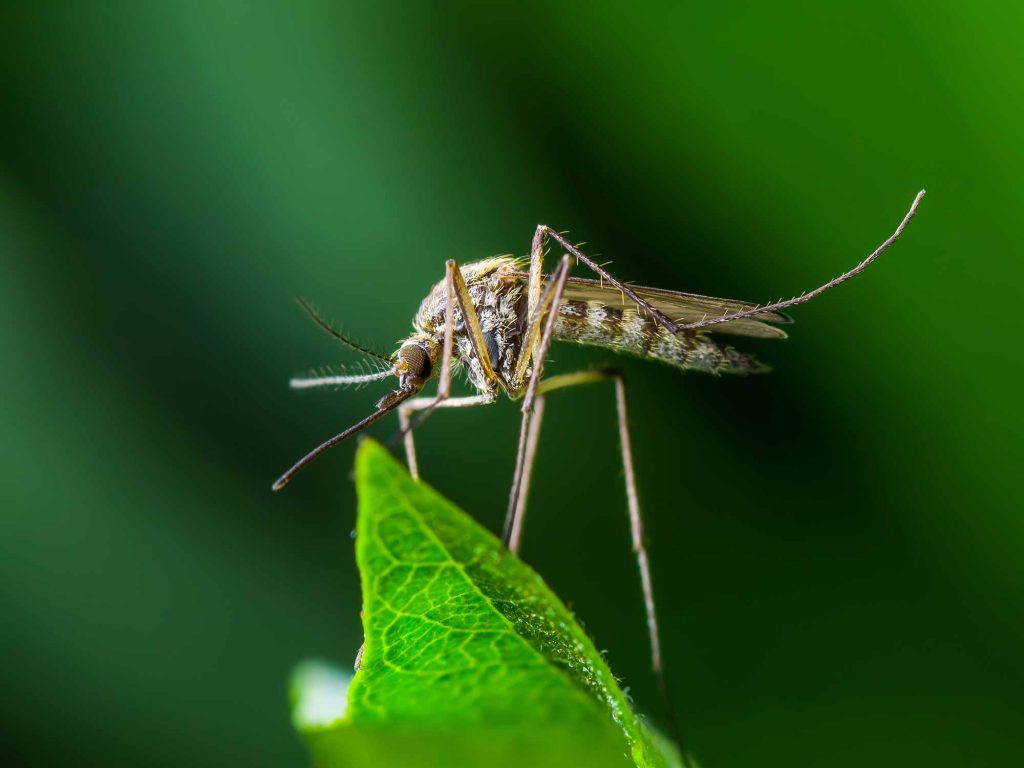 Most pet owners are familiar with or have heard about heartworm disease. Heartworms are mosquito-borne, blood-dwelling parasites that make their home in the pulmonary artery, a major blood vessel between the heart and lungs, wreaking havoc on the cardiovascular systems of dogs and cats.
Thankfully, we have many safe, effective options available for our pets that can almost eliminate the chance of infection when properly administered. You probably give your dog or cat a heartworm preventive as recommended by our veterinarians at Lone Tree Veterinary Medical Center. Since heartworm preventives are commonly misunderstood, we’re going to zero in on the heartworm preventives we use, what they do, and why administering them correctly matters for them to work properly in preventing heartworm disease. Continue…
The Ugly Truth About Rocky Mountain Spotted Fever
 Rocky Mountain Spotted Fever is one of many diseases that infected ticks can transmit to both people and pets, making it a significant concern in our region. With tick populations rising across the United States, our beautiful state is no exception.
Of the 30 plus species of ticks that make their home in Colorado, there are several that have the potential to make your pet, and you, very sick.
Keep Them Close: The Perils of Off-Leash Walking
 Most of us humans have an innate desire to experience the outdoors and explore it whenever we have the chance, and our dogs are no different. As a result, many owners often give in to the temptation of allowing their dogs to roam freely off-leash on walks and hikes in order to give them that same freewheeling experience.
Leash-walking dogs, in general, is a popular activity in our area because of the many accessible trails and open spaces that surround us, just waiting to be explored. Along with this, however, is the growing problem of dogs being allowed off-leash when accompanying their owners in these very same places. Unfortunately, tragic incidents involving off-leash walking of dogs are becoming more and more of a problem, so it’s worth taking a look at whether or not the risks outweigh the benefits.
Green Grass, Happy Dog: Preventing Dog Urine Spots on Lawns
 We love everything about our dogs, but we don’t always love some of the side effects of “doggie business”, such as those yellow or brown dog urine spots on the lawn. Not only do the spots make the yard look less attractive, they are also hard to get rid of. Add in two or more dogs, and you may be facing a completely dead lawn in the not too distant future.
Also called “lawn burn”, urine damage to lawns is a misunderstood problem that has generated a variety of commercial products and DIY remedies. We’ve broken down this common concern and have the scoop on how to prevent this unsightly situation.
What Causes Dog Urine Spots?
The yellow spots that develop after your dog urinates on your lawn are caused by the high concentration of nitrogen-containing compounds and associated salts that are naturally present in dog urine. It’s similar to putting too much fertilizer in a small spot on your lawn, which also causes lawn burn.
Happy Paws: Your Guide to Pet Safe Lawn Edging
 Your friends at Lone Tree Veterinary Medical Center would like remind you of the often ignored, yet, extremely important topic of metal lawn edging and the risks it poses to pets. Let’s discuss pet safe lawn edging that will help keep your pet safe.
Rabies and Pets: Know the Enemy
 Most people know that wild animals can carry rabies, but many of us don’t think it’s something that can affect our pets or us. Unfortunately, the reality of rabies is closer to home than many of us realize. The disease is present in every state (except Hawaii) and kills hundreds of pets, as well as a few humans, each year.
Understanding the link between rabies and pets is key in protecting your family, both two-legged and four, from this devastating illness. Continue…
Do You Hear What I Hear? Rattlesnake Safety
 Did you know there are rattlesnakes in Colorado? Rattlesnakes are a fact of life around these parts. Most of us are aware of the dangers snakes pose to us as we hike and camp, or even while we putter around in our own backyards. Rattlesnakes and pets are a particularly disastrous combination, thanks to our pets’ curious nature and unpredictability.
Do you know what to do if you and your pet happen across a rattlesnake? Learning about rattlesnake safety for pets is key to protecting your furry loved one.
Rattlesnake Behavior
Having a basic understand of rattlesnakes will you avoid a bite. Rattlesnakes often warm themselves in the sun, hunt, migrate and den in the same areas year after year.
Snakes Are Introverts
Snakes are shy creatures and prefer to be left alone. Rattlesnakes will not act aggressively unless they are threatened.
Rattlesnake Bite
A rattlesnake bite is a serious risk to your pet. Once the venom is injected, it begins to act immediately. The blood vessels near the region of the bite are compromised, and an immune response causes severe swelling and pain. Because the venom also affects the blood’s ability to clot, large amounts of blood may be lost. The effects of the venom will lead to shock, and eventually death, if left untreated. Continue…
Foxtails And Pets: A Dangerous Combination
 Spring is right around the corner, and while this is mostly a good thing for our pets (more time outside!) the good weather brings with it one of the biggest concerns faced by our Front Range pets: Foxtails.
This pesky weed does more than just annoy us in our fields and foothills. The spiky seeds of foxtail grasses can seriously harm our pets when they get trapped in their fur or inhaled. So before we head into the great outdoors with our four-legged friends this spring and summer, let’s review the basics of foxtail dangers and how to keep our pets safe. Continue…