
Cozy Toes: The Principles of Winter Paw Protection
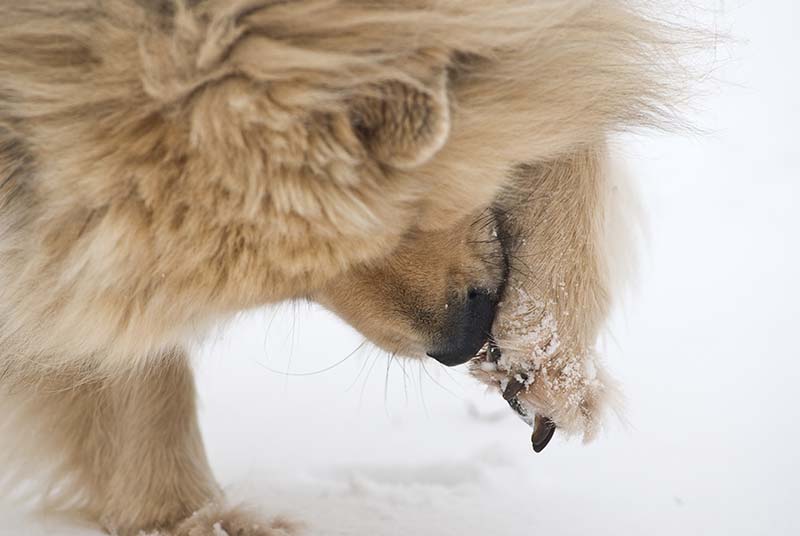
Our pets rely on their paws to transport them everywhere they need to go and in all types of weather, and it is easy to assume that their paws can withstand whatever Mother Nature throws at them. Unfortunately, cracked pads, frostbite, chemical burns, and more present numerous hazards to the well-being of our pet’s paws, especially, this time of year. With this in mind, the team at Lone Tree Veterinary Medical Center would like to walk you through the basics of winter paw protection for your furry loved one!
Adorable Anatomy
Paw pads are some of the cutest parts of any pet, but they also serve many important functions. Pads provide cushioning and shock absorption by protecting the ligaments, tendons, and bones from the impact of walking and running. They also provide insulation from hot and cold surfaces, as well as traction when a pet traverses across varying types of terrain. Paw pads also protect against bacteria, parasites, and other nasty contaminants present on any surface or terrain they come in contact with.
As a pet matures, the surface of the pads will become more tolerant to heat, cold, and rough surfaces. That doesn’t mean, however, that they don’t need some additional protection. Their paws remain vulnerable to the damage caused by extreme cold, ice, and chemical de-icers.
Winter Paw Protection
You can help protect your pet’s precious paw pads with the following tips:
- Grooming – Keep the fur around your dog’s toes clipped and their nails neatly trimmed. This helps preventing the accumulation of snow and ice in between the pads.
- Cleaning – Salt and chemical de-icers present a dual threat. They damage paw pads and can be toxic if your pet licks them off and ingests them. Get into the habit of thoroughly wiping your dog’s paws with a warm, wet washcloth after each trip outside. You can also gently clean the paws using a mild hypoallergenic, pet-specific grooming shampoo. Be sure to rinse thoroughly and dry the paws carefully with a soft cloth.
- Apply a Protective Balm – Prior to going outdoors, apply a thin layer of protective balm to the paw pads. Recommended products include Musher’s Secret or Snout Soother (available in our lobby).
- Booties – If your dog enjoys outdoor walks or rigorous winter activities, waterproof booties are essential for ultimate paw protection.
Common Sense
Just as in humans, dogs are susceptible to hypothermia, frostbite, and other cold weather ailments. Adjust your walks and outdoor playtime accordingly. Remain alert to any signs that your pet is uncomfortable or in pain. Stop the activity and get your pet indoors if you see your pet lagging behind, shivering, limping, or you observe any loss of coordination.
As always, please contact us at Lone Tree Veterinary Medical Center with any questions you have about caring for your pet or winter paw protection. We’re here every day and love helping pets have better lives!