

The Four Stages of Pet Dental Disease
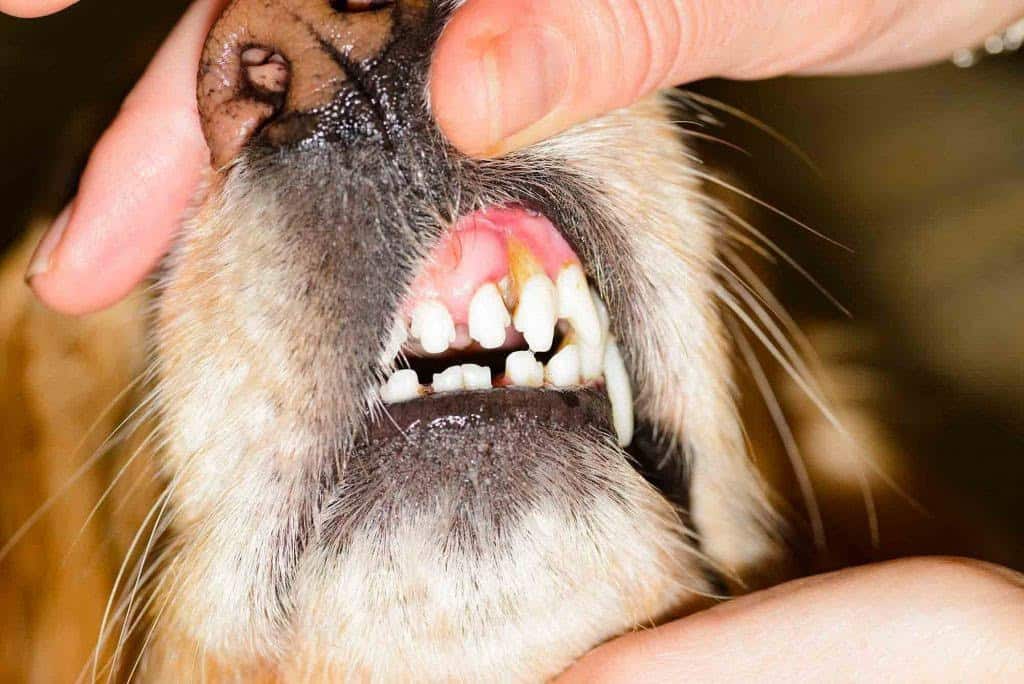
Pet dental disease, also called periodontal disease, is one of the most common clinical conditions seen by our veterinarians. This isn’t surprising when we consider that most dogs and cats show some signs of the disease by the time they reach 3 years of age. If left untreated, dental disease can lead to pain, tooth loss, infection, and even damage to the vital organs, such as the heart, liver, and kidneys.
At Lone Tree Veterinary Medical Center, we prioritize dental health because it is key to a pet’s overall well-being. This discussion focuses on dental disease in pets and how pet owners can prevent and/or properly manage it with comprehensive oral care.
What Is Pet Dental Disease?
Dental disease in pets occurs when plaque, film and tartar (hardened plaque) build up on the teeth both above and below the gum line. This accumulation irritates the gum tissue and allows bacteria to flourish, leading to damage of the supportive structures of the teeth. Significant pain, oral infection, bone and tooth loss, and even systemic damage can occur as a result of untreated periodontal disease.
Stages of Pet Dental Disease
We use these four stages to categorize the progression of dental disease:
Stage 1 – Early stage gingivitis is inflammation of the gums in response to the presence of tartar and bacteria. You may observe some gum swelling. A thin red line on the gums next to the teeth may also be visible during this stage.
Stage 2 – Early periodontitis occurs when there is a small amount of bone loss – less than 25% – visible on oral radiographs. You may notice inflammation of your pet’s gums, bad breath, and some visible plaque and tartar. A professional cleaning is needed to remove the plaque and tartar, and to reverse the progress of dental disease.
Stage 3 – Serious dental damage begins to occur at stage 3, also known as moderate periodontitis. Bone loss of 25-50% is visible on oral radiographs. Gums become swollen and irritated, and bleed easily. There is loss of gum attachment to the tooth, forming areas known as periodontal pockets. Your pet may also experience bad breath and significant pain, and need to have infected and/or damaged teeth removed.
Stage 4 – Extreme, chronic periodontal disease is the 4th and final stage. Bone loss of 50% or higher is visible on oral radiographs. Your pet is not only in severe pain but is at risk of losing multiple teeth. Your pet is also at risk of developing a systemic infection. This infection causes damage to internal organs by entering through the mouth and into the bloodstream and spreading throughout the body.
Preventing and Treating Pet Dental Disease
An oral examination is an important part of your pet’s annual wellness exam. A thorough exam of your pet’s mouth will help our veterinarian determine the next step in your pet’s oral care.
Regular dental cleanings play an important role in keeping a pet’s teeth clean and healthy over its lifetime. To be thorough, as well as to correct any problems caused by periodontal disease, we perform an ultrasonic scaling both above and below the gumline This requires that the pet be under general anesthesia. This is also why dental cleanings are considered a surgical procedure.
Regular home tooth brushing is another important part of a pet’s oral care regiment. We recommend brushing the outer sides of the upper and lower teeth at least 3 times a week. Use only a pet specific toothpaste and toothbrush. Regular brushing can also help reduce the number and frequency of dental cleanings that are needed over time.
Your veterinarian or technician will be happy to demonstrate proper brushing technique and answer any questions you have. Daily brushing, combined with checkups and dental cleanings will help your pet have a healthier and more comfortable life.
As always, your team at Lone Tree Veterinary Medical Center is here for you and your pet! Don’t hesitate to contact us to schedule your pet’s next visit.